Partial Hospitalization Program (PHP) in New Jersey: Intensive Treatment Without an Overnight Stay
When addiction or co-occurring mental health conditions require a high level of clinical care but a full residential stay is not necessary — or when it’s time to take the next step down from inpatient rehab — a Partial Hospitalization Program may be exactly what is needed. At DB House Sober Living, we are committed to helping individuals in New Jersey access the right level of addiction treatment at every stage of their recovery journey.
While our sober living homes provide safe, structured, and peer-supported housing for individuals in recovery, we know that many people need continued intensive clinical treatment before or alongside transitioning into sober living. That’s why we work closely with a trusted addiction treatment referral partner that offers comprehensive PHP services in New Jersey. We can connect you or your loved one with the right program — and provide a stable, supportive place to live while treatment is underway or when it is complete.
What Is a Partial Hospitalization Program (PHP)?
A Partial Hospitalization Program, commonly referred to as PHP, is a highly structured addiction and mental health treatment program that provides near-inpatient levels of clinical care without requiring participants to sleep at the treatment facility. PHP participants attend programming at a licensed treatment center for approximately five to six hours per day, five days per week — totaling 25 to 30 hours of clinical programming each week — and then return to their home or a sober living residence each evening.
PHP occupies a unique and important position in the continuum of addiction care. It is more intensive than an Intensive Outpatient Program (IOP) but less restrictive than residential inpatient treatment. This makes it an ideal level of care for individuals who need significant clinical structure and support but have achieved enough stability to manage evenings and overnight hours in a safe environment.
Programming in a PHP typically includes individual therapy, group counseling, psychiatric evaluation and medication management, psychoeducation, relapse prevention planning, and support for co-occurring mental health conditions. The depth and frequency of this programming allows PHP participants to make meaningful, sustained clinical progress in a relatively short period of time.
Who Is PHP Right For?
A Partial Hospitalization Program is appropriate for a broad range of individuals at different points in their recovery. PHP may be the right level of care if you or your loved one meets one or more of the following criteria:
Stepping down from residential inpatient treatment. PHP is one of the most common and clinically recommended levels of care following the completion of a residential treatment program. After leaving the 24/7 structure of inpatient rehab, PHP provides a structured daytime environment that helps individuals continue making progress while gradually reintroducing the independence and responsibilities of daily life.
Needing a higher level of care than IOP but not requiring residential treatment. For individuals whose addiction or co-occurring mental health conditions require more intensive support than an Intensive Outpatient Program can provide, but who do not need — or are not able to commit to — a full residential stay, PHP fills that critical gap.
Recently completed medical detox. Some individuals who complete medical detox are not yet ready for the relative flexibility of an outpatient program. PHP offers a bridge between the medical stabilization of detox and the therapeutic depth of ongoing addiction treatment.
Experiencing a relapse after a period of sobriety. When a relapse occurs, stepping back up to a higher level of care quickly is one of the most effective strategies for regaining stability. PHP allows individuals to re-engage with intensive clinical programming without necessarily returning to a residential setting.
Dealing with a co-occurring mental health condition. Individuals managing both a substance use disorder and a mental health condition such as depression, anxiety, PTSD, or bipolar disorder often require the level of psychiatric support and dual diagnosis treatment that PHP is specifically designed to provide.
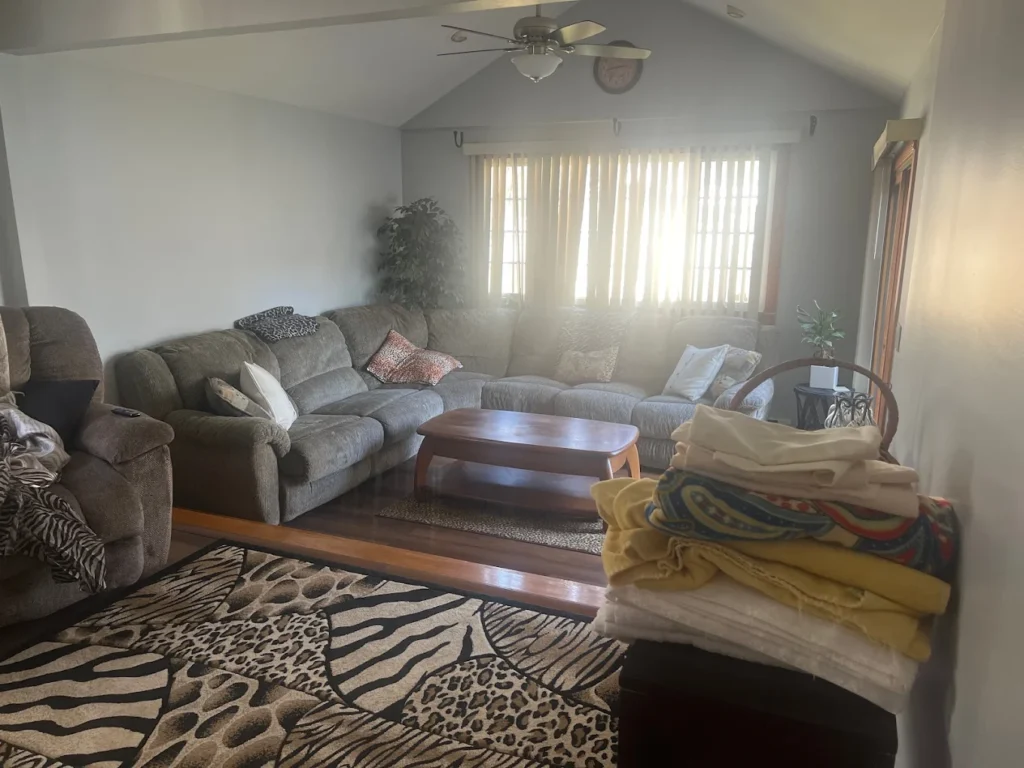
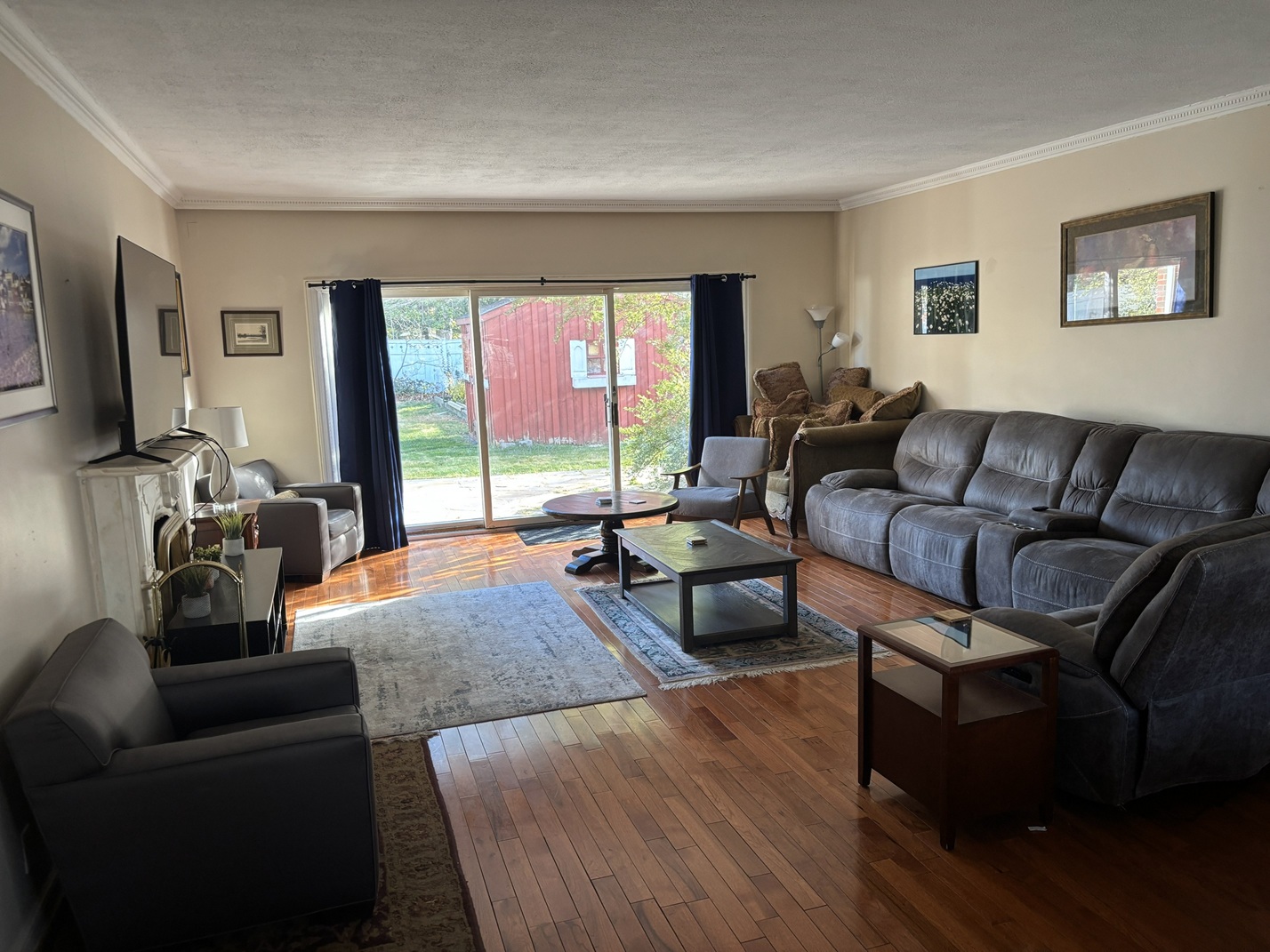
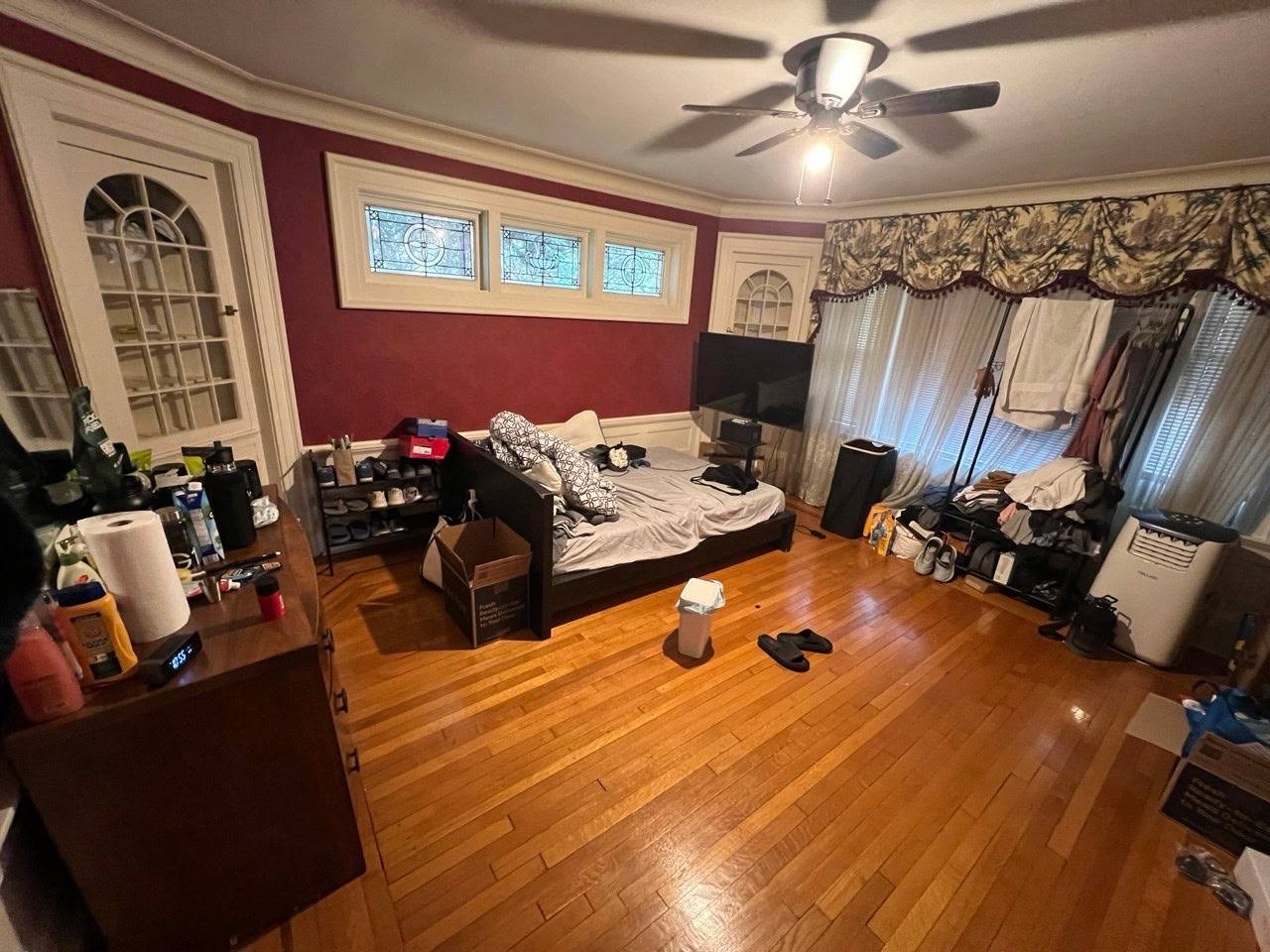
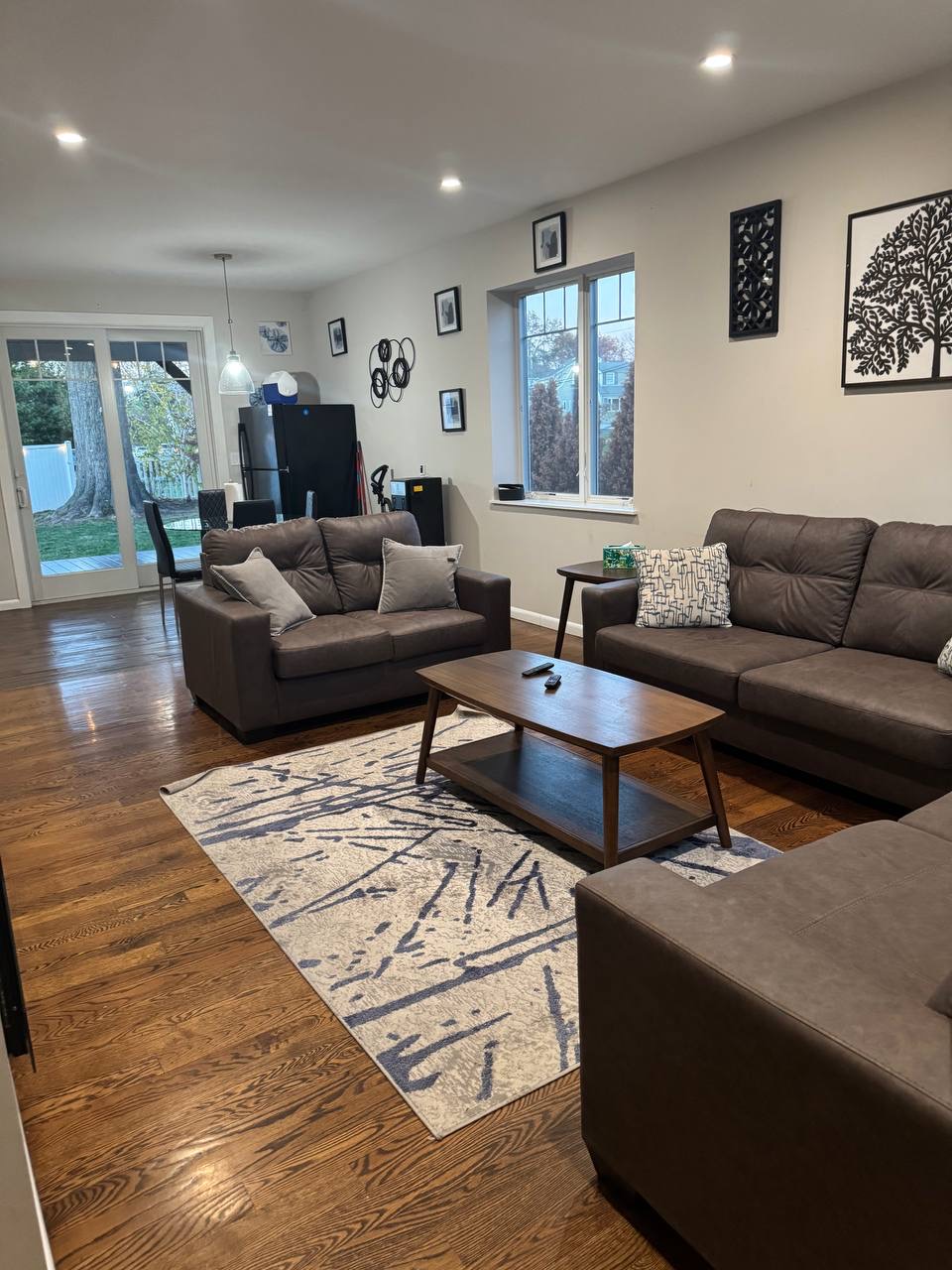
Living in a stable, substance-free environment. Because PHP participants return to their living situation each evening, it is essential that that environment is safe and supportive. A sober living home like those offered by DB House Sober Living is an ideal housing option for PHP participants, providing the structure and accountability needed to make the most of each day in treatment.
Not sure whether PHP is the right fit? Our team at DB House Sober Living can help you assess your situation and connect you with our referral partner for a free, confidential clinical evaluation to determine the most appropriate level of care.
What Does PHP Treatment Look Like in New Jersey?
While the specific structure of PHP programming varies by provider, most Partial Hospitalization Programs in New Jersey follow a consistent daily framework designed to maximize therapeutic impact. A typical PHP day may include the following components:
Morning Check-In and Community Meeting: Most PHP programs begin each day with a community meeting or check-in group. This sets the tone for the day, gives participants an opportunity to share how they are feeling, and reinforces the sense of community and mutual accountability that is central to recovery.
Individual Therapy: PHP participants typically meet with a licensed therapist or counselor several times per week for individual sessions. These one-on-one appointments provide a private space for deeper personal work, including processing trauma, addressing underlying mental health conditions, setting recovery goals, and working through personal challenges. Evidence-based therapeutic approaches such as Cognitive Behavioral Therapy (CBT), Dialectical Behavior Therapy (DBT), Motivational Interviewing (MI), and trauma-focused therapies are commonly used.
Group Therapy: Group therapy sessions form the core of most PHP schedules. Led by licensed clinicians, these sessions address a wide range of topics including relapse prevention, emotional regulation, communication skills, grief, relationships, and the psychological dimensions of addiction. Group therapy also provides a powerful experience of community — many individuals in PHP cite their peer group as one of the most meaningful and motivating aspects of their treatment experience.
Psychiatric Services and Medication Management: PHP programs typically include access to psychiatrists or psychiatric nurse practitioners who can evaluate and manage co-occurring mental health conditions and, where appropriate, prescribe and monitor psychiatric medications. For individuals receiving medication-assisted treatment (MAT) for opioid or alcohol use disorder, PHP can also coordinate with prescribing providers to ensure continuity of care.
Psychoeducation: Structured educational sessions cover essential topics such as the science of addiction, the stages of recovery, relapse warning signs and prevention strategies, stress management techniques, healthy relationships, and the importance of self-care. These sessions give participants a deeper understanding of their condition and practical tools to support their recovery.
Holistic and Supplemental Therapies: Many PHP programs in New Jersey incorporate holistic therapeutic approaches such as mindfulness and meditation, yoga, art therapy, music therapy, or fitness programming. These modalities complement traditional clinical treatment by engaging participants in healing through multiple dimensions of wellbeing.
Discharge and Aftercare Planning: From the very beginning of PHP, clinical teams are working with each participant to develop a comprehensive continuing care plan for after program completion. This includes identifying the appropriate step-down level of care, securing outpatient therapy, coordinating sober living placement, and connecting participants with community recovery resources.
PHP and Sober Living: The Ideal Recovery Combination
For individuals attending a Partial Hospitalization Program in New Jersey, having a safe, stable, and substance-free place to return to each evening is not just important — it is essential. The hours outside of programming are often the most vulnerable time for individuals in early recovery, and the environment in which those hours are spent can have a profound impact on treatment outcomes.
Pairing PHP with a sober living home is widely considered one of the most effective combinations of support available in the continuum of addiction care. Here’s why it works so well:
Structure around the clock. PHP provides intensive structure during daytime hours, while sober living provides structure, accountability, and community support in the evenings and on weekends. Together, they create a comprehensive recovery environment that leaves little room for the kind of idle, unstructured time that often leads to relapse in early recovery.
A safe environment to practice new skills. The coping skills, communication strategies, and emotional regulation techniques learned in PHP need to be practiced in real life to take hold. A sober living home provides a safe, supportive environment to practice those skills among peers who understand the challenges of recovery firsthand.
Peer accountability and community. Sober living homes create an immediate peer community that reinforces the values and commitments being built in PHP. House meetings, shared responsibilities, and lived experience in community with others in recovery strengthen the sense of belonging and accountability that is critical in early sobriety.
A bridge to independence. PHP and sober living together provide a gradual, supported transition from intensive clinical care to independent living — reducing the jarring gap that often contributes to relapse when individuals move too quickly from a highly structured treatment environment back into the demands of everyday life.
At DB House Sober Living, we regularly coordinate with our addiction treatment referral partner to place individuals in our sober living homes while they are actively participating in PHP. Our team understands the clinical demands of PHP and works to ensure that our house environment actively supports — rather than competes with — each resident’s treatment progress.
Is PHP Covered by Insurance in New Jersey?
In most cases, yes. Partial Hospitalization Programs are considered a covered benefit under most commercial health insurance plans, as well as NJ FamilyCare (Medicaid), thanks to the requirements established by the Affordable Care Act (ACA) and the Mental Health Parity and Addiction Equity Act (MHPAEA). These laws require that substance use disorder and mental health treatment — including PHP — be covered at parity with medical and surgical care.
Coverage levels, prior authorization requirements, co-pays, and in-network versus out-of-network considerations will vary depending on your specific insurance plan and provider. Our addiction treatment referral partner works with most major insurance carriers and can conduct a free, confidential insurance verification on your behalf before you begin any program, so you have a clear picture of your benefits before committing to care.
For individuals who are uninsured or underinsured, our referral partner can also help identify state-funded treatment options and financial assistance programs available in New Jersey to ensure that cost is not a barrier to getting the help you need.
What Happens After PHP?
Completing a Partial Hospitalization Program is a meaningful milestone in the recovery journey, but it is important to have a clear and supported plan for what comes next. Abruptly ending clinical treatment after PHP without a step-down plan significantly increases the risk of relapse. Most clinical teams recommend continuing care through one or more of the following options after PHP:
Intensive Outpatient Program (IOP): IOP is the most common and clinically recommended step-down level of care following PHP. Requiring 9 to 15 hours of programming per week, IOP allows individuals to continue their therapeutic work at a reduced intensity while taking on more of the responsibilities of daily life — work, school, family — with the continued support of a clinical team.
Standard Outpatient Therapy (OP): For individuals who have made strong progress in PHP and IOP, standard outpatient therapy — typically one to two sessions per week — provides ongoing clinical support at the lowest level of intensity. It allows individuals to continue addressing the psychological dimensions of their recovery while functioning largely independently.
Continued Sober Living: Remaining in a sober living home after completing PHP provides continued housing stability, peer accountability, and community support during the transition to a less intensive level of clinical care. Many individuals find that the structure and community of sober living continue to be a meaningful and necessary part of their recovery long after formal clinical programming has concluded.
Peer Support and 12-Step Programs: Ongoing participation in peer recovery communities such as Alcoholics Anonymous (AA), Narcotics Anonymous (NA), or SMART Recovery provides long-term connection, sponsorship, and accountability that complement and sustain the gains made in clinical treatment.
At DB House Sober Living, we see the period after PHP not as the end of treatment but as an opportunity to build on everything that has been accomplished. Our sober living homes in New Jersey are designed to support residents through exactly this transition — providing the structure, community, and accountability that help make the step from PHP to independent living a successful and sustainable one.
Frequently Asked Questions About Partial Hospitalization Programs in New Jersey
How is PHP different from an Intensive Outpatient Program (IOP)?
The primary difference between PHP and IOP is the intensity and number of hours of programming required each week. PHP typically involves five to six hours of structured clinical programming per day, five days per week, totaling 25 to 30 hours per week. IOP, by contrast, requires 9 to 15 hours of programming per week spread across three to five days. PHP is a more intensive level of care designed for individuals who need a higher degree of clinical structure and support, while IOP offers more flexibility for those who are ready to begin reintegrating into daily responsibilities. In the continuum of care, PHP typically precedes IOP — individuals often step down from PHP to IOP as they make progress in their recovery.
Can I work while attending PHP?
For most people, maintaining full-time employment while attending PHP is difficult given the significant daily time commitment involved — typically five to six hours of programming per day, five days a week. However, some individuals are able to work part-time, particularly if their schedule allows for evening or weekend work. It is worth having an open conversation with your employer about your treatment needs, as the Family and Medical Leave Act (FMLA) may provide job protection for individuals taking time off for medically necessary substance use disorder treatment. Our referral partner’s admissions team can help you think through how to manage this transition in a way that protects both your recovery and your livelihood.
How long does a PHP program last?
Most Partial Hospitalization Programs in New Jersey last between two and six weeks, though the exact duration is determined by the individual’s clinical progress and needs. Clinical teams reassess each participant’s progress on a regular basis and adjust the recommended length of stay accordingly. Some individuals with more complex needs or slower progress may remain in PHP longer, while others who are responding particularly well may be ready to step down to IOP sooner. The goal is always to provide the right amount of care for the individual — not to adhere rigidly to a predetermined timeline.
What is a dual diagnosis PHP and do I need one?
A dual diagnosis PHP — sometimes called a co-occurring disorders program — is specifically designed to treat both a substance use disorder and a co-occurring mental health condition simultaneously. Common co-occurring conditions include depression, anxiety, PTSD, bipolar disorder, borderline personality disorder, and ADHD. Research consistently shows that treating addiction and mental health conditions together, rather than separately and sequentially, leads to significantly better outcomes. If you or your loved one is dealing with both a substance use disorder and a mental health condition, a dual diagnosis PHP is likely the most appropriate and effective level of care. Our referral partner can assess for co-occurring conditions and recommend the right type of program during a free clinical evaluation.
What is the difference between PHP and inpatient hospitalization?
PHP and inpatient hospitalization are sometimes confused, but they are meaningfully different levels of care. Inpatient hospitalization — also referred to as acute psychiatric hospitalization — is a short-term, medically intensive level of care typically reserved for individuals who are in immediate crisis, at risk of harming themselves or others, or who require 24/7 medical monitoring for acute psychiatric or medical instability. It is not primarily designed as an addiction treatment setting. PHP, by contrast, is a non-residential, structured treatment program for individuals who have achieved medical and psychiatric stability and are ready to engage in the therapeutic work of recovery. While both involve a high level of clinical care, PHP is a planned, ongoing treatment experience rather than an emergency intervention.
Take the Next Step: Explore PHP Treatment for Recovery Today
If you or a loved one needs intensive addiction treatment but is not in a position to commit to a full residential stay, a Partial Hospitalization Program in New Jersey may be the right answer. DB House Sober Living is here to help connect you with the right clinical care through our trusted addiction treatment referral partner — and to provide a safe, supportive sober living home while treatment is underway and when it is complete.
Our team understands the urgency and complexity of this moment, and we are ready to help you navigate your options with clarity, compassion, and confidence. You don’t have to figure this out alone.
Contact DB House Sober Living today to learn more about PHP and how our sober living homes can support your recovery from the first day of treatment through long-term independence.