Virtual Addiction Treatment in New Jersey: Professional Recovery Support From Anywhere
The landscape of addiction treatment has changed dramatically in recent years, and one of the most significant and positive developments has been the rise of virtual addiction treatment. At DB House Sober Living, we believe that access to quality recovery support should never be limited by geography, transportation, work schedules, or the demands of daily life. That’s why we work closely with a trusted addiction treatment referral partner that offers comprehensive virtual addiction treatment services to individuals in New Jersey.
Whether you are looking for a flexible treatment option that fits around your responsibilities, are not yet ready to attend in-person programming, or are transitioning out of a higher level of care and need continued clinical support, virtual addiction treatment may be exactly what you need. And when you are ready for the structure and community of sober living, DB House Sober Living is here to welcome you.
What Is Virtual Addiction Treatment?
Virtual addiction treatment — also referred to as telehealth addiction treatment or online rehab — is the delivery of professional substance use disorder treatment services through secure, HIPAA-compliant video conferencing platforms. Rather than traveling to a physical treatment center, participants connect with licensed therapists, counselors, psychiatrists, and peer support specialists from the comfort and privacy of their own home or sober living residence.
Virtual addiction treatment is not a watered-down version of in-person care. When delivered by a qualified, licensed treatment provider, online programming offers the same evidence-based therapeutic modalities available in traditional settings — including individual therapy, group counseling, psychiatric services, medication management, psychoeducation, and relapse prevention planning — simply delivered through a different medium.
Virtual treatment is available across multiple levels of care, including Virtual Intensive Outpatient Programs (IOP), Virtual Partial Hospitalization Programs (PHP), and standard virtual outpatient therapy. This means that individuals can access meaningful, clinically rigorous addiction treatment regardless of where they are in their recovery journey — without ever leaving their home or sober living residence.
Who Is Virtual Addiction Treatment Right For?
Virtual addiction treatment is a versatile and accessible option that is appropriate for a wide range of individuals. It may be the right fit if you or your loved one identifies with one or more of the following:
You have transportation challenges or live in an underserved area. For many New Jersey residents, getting to a physical treatment center every day is a significant logistical barrier. Whether due to a lack of reliable transportation, distance from treatment facilities, or living in a rural or underserved part of the state, virtual treatment eliminates the commute entirely and makes consistent attendance far more achievable.
You have work, childcare, or family responsibilities that make in-person attendance difficult. One of the most common reasons people delay seeking addiction treatment is the belief that they cannot step away from their professional or family obligations. Virtual treatment offers the flexibility to fit programming around a busy schedule, removing one of the most significant practical barriers to getting help.
You value privacy and prefer to engage in treatment from home. Stigma remains a real barrier for many people seeking addiction treatment. Virtual treatment allows individuals to receive professional care without the concern of being seen entering a treatment facility, which for some people makes the difference between seeking help and not seeking it at all.
You are stepping down from a higher level of care and need continued clinical support. After completing residential inpatient treatment, PHP, or in-person IOP, virtual programming is an excellent way to maintain therapeutic momentum while transitioning back into the rhythms of everyday life. Many individuals find that virtual IOP or outpatient therapy fits naturally into their post-treatment routine in a way that in-person programming may not.
You are currently living in a sober living home and want to pair your housing with ongoing clinical treatment. Virtual addiction treatment and sober living are a highly effective combination. Residents of DB House Sober Living homes can attend virtual programming from within the house, combining the clinical support of online treatment with the peer accountability and structure of sober living — without the logistical demands of daily travel to a treatment center.
You are in early recovery and need immediate access to care. One of the most significant advantages of virtual treatment is the speed with which care can begin. Without the need to arrange transportation or wait for an in-person intake appointment, individuals can often connect with a licensed clinician and begin programming within days — sometimes even sooner. In addiction treatment, speed of access matters enormously.
It is important to note that virtual addiction treatment is not appropriate for everyone. Individuals who require medical detoxification, 24/7 medical supervision, or a highly structured residential environment typically need an in-person level of care first. Our team at DB House Sober Living can help assess your situation and connect you with our referral partner for a free clinical evaluation to determine whether virtual treatment is the right fit.
What Does Virtual Addiction Treatment Include?
Quality virtual addiction treatment programs in New Jersey offer a comprehensive range of clinical services delivered through secure, easy-to-use telehealth platforms. The specific services available will vary by program and level of care, but a robust virtual treatment program typically includes the following:
Individual Therapy: One-on-one sessions with a licensed therapist or counselor conducted via secure video call. Individual therapy provides a private, confidential space to explore personal history, address trauma, work through emotional challenges, and develop individualized coping strategies. Evidence-based approaches such as Cognitive Behavioral Therapy (CBT), Dialectical Behavior Therapy (DBT), Motivational Interviewing (MI), and trauma-focused therapies are commonly delivered in a virtual format with great effectiveness.
Group Therapy: Virtual group therapy sessions bring multiple participants together through a shared video platform, led by a licensed clinician. Despite being conducted online, virtual group therapy is remarkably effective at building the sense of community, mutual accountability, and shared experience that makes group work so powerful in addiction treatment. Many participants report feeling a strong sense of connection with their virtual peers.
Psychiatric Evaluation and Medication Management: Virtual programs often include access to licensed psychiatrists or psychiatric nurse practitioners who can evaluate and manage co-occurring mental health conditions, adjust medications, and provide ongoing psychiatric support through telehealth appointments. For individuals receiving medication-assisted treatment (MAT) for opioid or alcohol use disorder, virtual programs can coordinate with prescribing providers to ensure continuity of care.
Psychoeducation and Skill-Building Groups: Structured educational sessions covering topics such as the neuroscience of addiction, relapse prevention strategies, emotional regulation, stress management, healthy relationships, and life skills are delivered in a virtual group format. These sessions give participants practical, immediately applicable tools to support their recovery.
Relapse Prevention Planning: A core component of all levels of virtual addiction treatment is the development of a personalized relapse prevention plan — a concrete, individualized roadmap for recognizing warning signs, managing triggers, and responding effectively if a relapse occurs.
Family Therapy and Support: Many virtual treatment programs offer family therapy sessions and family education programming delivered via telehealth, making it easier for family members across different locations to participate in the treatment process and develop the skills and understanding needed to support their loved one’s recovery.
Aftercare and Continuing Care Planning: Virtual treatment programs work with participants to develop a comprehensive plan for continued recovery support after programming concludes, including referrals to community resources, peer support programs, and housing options such as sober living.
Virtual IOP vs. Virtual PHP: Understanding Your Options
Virtual addiction treatment is available at multiple levels of clinical intensity. Understanding the difference between the main virtual treatment options can help you identify which level of care is most appropriate for your needs:
Virtual Intensive Outpatient Program (Virtual IOP) is the most common and widely available form of virtual addiction treatment. Virtual IOP typically requires 9 to 15 hours of structured programming per week, spread across three to five days. It is appropriate for individuals who have achieved initial stabilization and are ready to engage in meaningful therapeutic work while maintaining their daily responsibilities. Virtual IOP is an excellent step-down option following residential treatment, PHP, or in-person IOP, and it pairs particularly well with sober living.
Virtual Partial Hospitalization Program (Virtual PHP) offers a higher level of clinical intensity, typically requiring 20 to 30 hours of programming per week across five days. Virtual PHP is appropriate for individuals who need near-inpatient levels of support but are not able to attend an in-person program, or who live in a stable, safe environment — such as a sober living home — that makes remote participation in high-intensity programming feasible. Not all treatment providers in New Jersey offer virtual PHP, so availability may vary.
Virtual Outpatient Therapy (OP) is the least intensive virtual treatment option, typically involving one to two individual therapy sessions per week conducted via telehealth. Virtual outpatient therapy is most appropriate for individuals who have already completed a higher level of care and need ongoing clinical support to maintain their recovery as they transition to full independence.
Our addiction treatment referral partner can conduct a free clinical assessment to help determine which level of virtual care is most appropriate for your specific situation and needs.
Virtual Treatment and Sober Living: A Flexible and Effective Combination
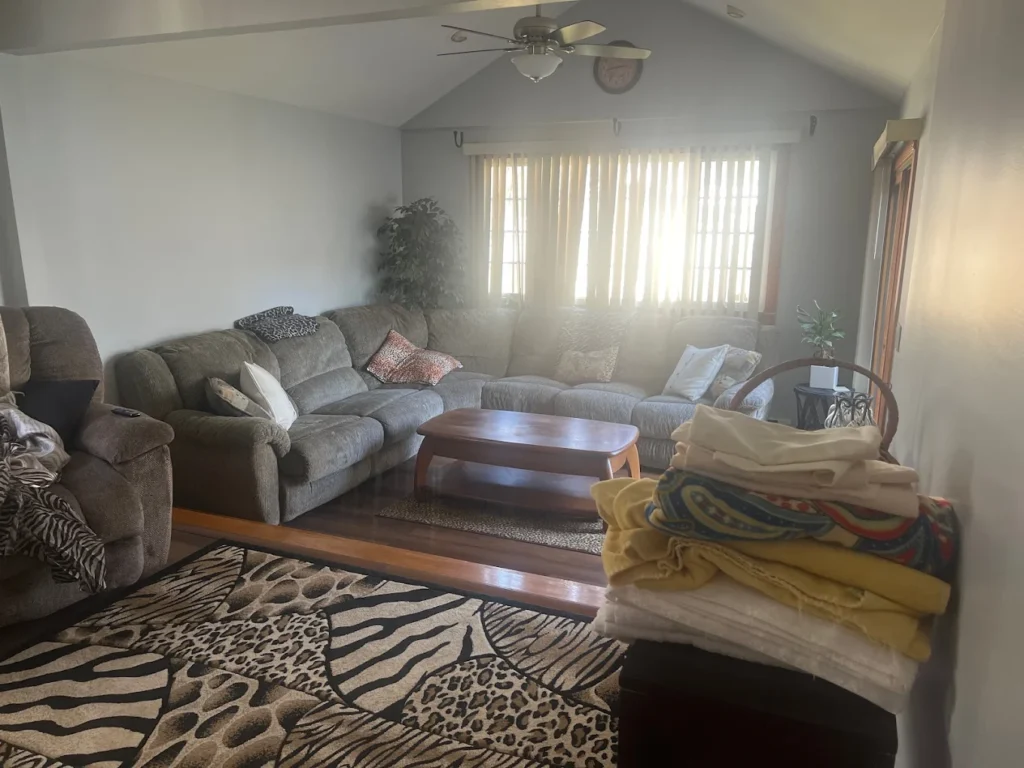
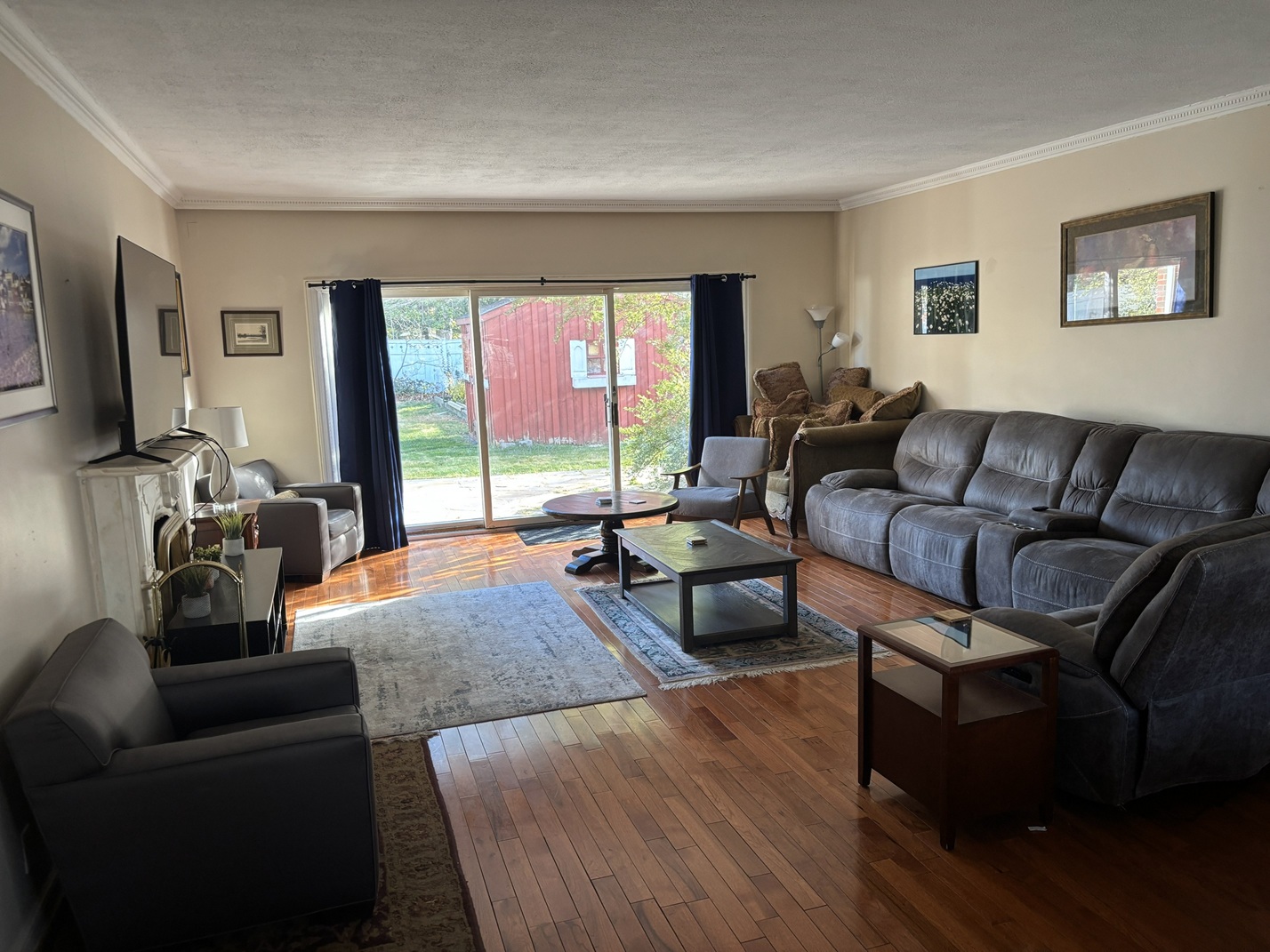
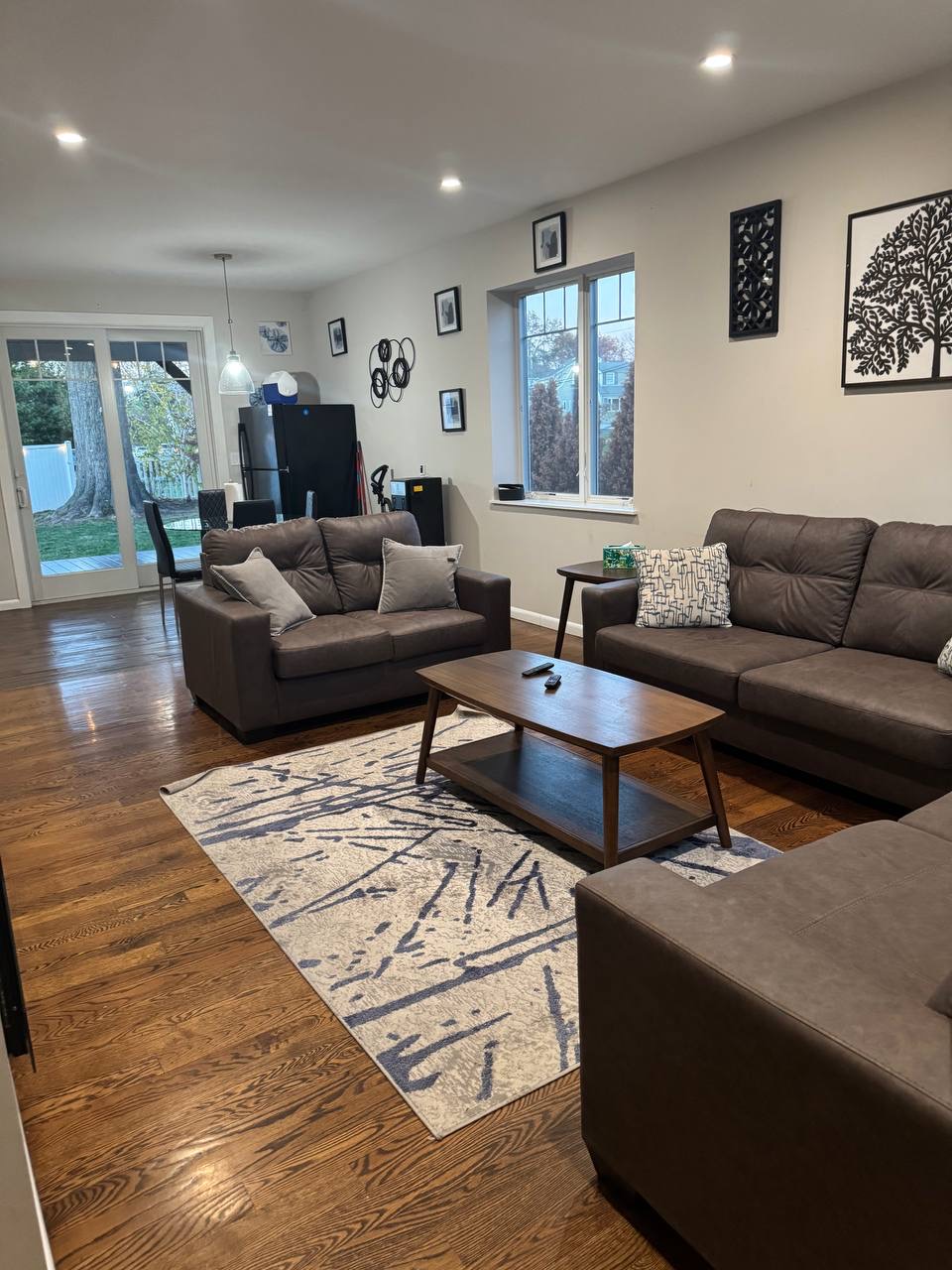
For residents of DB House Sober Living homes in New Jersey, virtual addiction treatment offers a uniquely convenient and effective way to combine clinical support with structured, accountable housing. Rather than spending hours each day commuting to and from a treatment center, residents can participate in virtual programming directly from the house — and then immediately apply what they are learning in the peer community of their sober living environment.
This combination works particularly well for several reasons:
Consistent daily structure. Sober living homes maintain a structured daily routine through house rules, chores, house meetings, and curfews. Virtual treatment adds clinical programming to that structure, ensuring that residents have purposeful, recovery-focused activity filling their days from morning through evening.
Immediate application of skills. The coping strategies, communication techniques, and emotional regulation skills learned in virtual therapy sessions can be practiced and applied immediately within the sober living community — with peers, house managers, and in the natural challenges of communal living. This real-time application accelerates the process of building lasting recovery habits.
Reduced logistical barriers. Transportation, scheduling, and the time demands of daily commuting to treatment can all become sources of stress that undermine recovery in early sobriety. Virtual treatment eliminates these barriers entirely, making consistent attendance significantly easier to maintain.
Privacy and comfort. Participating in treatment from a familiar, comfortable environment can lower anxiety and make it easier for some individuals to engage more openly and honestly in therapy — particularly in the early stages of treatment when vulnerability can feel especially challenging.
At DB House Sober Living, we actively support residents who are participating in virtual treatment programs and work to ensure that our house environment reinforces the work being done in clinical programming. Our team can help coordinate virtual treatment placement through our referral partner so that residents have both clinical support and stable housing in place from day one.
Is Virtual Addiction Treatment Covered by Insurance in New Jersey?
In most cases, yes. The expansion of telehealth services in recent years has been accompanied by significant changes in insurance coverage requirements. Most commercial health insurance plans in New Jersey are now required to cover telehealth addiction treatment services at the same level as equivalent in-person services, thanks to both federal parity laws and New Jersey state telehealth parity legislation.
NJ FamilyCare (Medicaid) also covers telehealth behavioral health services, including virtual addiction treatment, for eligible individuals. Coverage specifics — including which platforms are covered, which providers are in-network, and what co-pays or deductibles apply — will vary depending on your specific plan.
Our addiction treatment referral partner can conduct a free, confidential insurance verification on your behalf to confirm your coverage before you begin any virtual program. This ensures you have a clear picture of your benefits and out-of-pocket costs before committing to care.
What Happens After Virtual Addiction Treatment?
Completing a virtual addiction treatment program is a significant achievement, and having a clear plan for what comes next is essential for maintaining the progress you have made. Depending on where you are in your recovery journey when you complete virtual treatment, the next steps may include:
Transitioning to a lower level of virtual care. If you complete a Virtual PHP or Virtual IOP program, stepping down to a less intensive level of virtual outpatient therapy is a natural and common next step. Continuing to work with a therapist via telehealth on a weekly basis helps maintain clinical support as you take on greater independence.
Transitioning to in-person treatment or sober living. For some individuals, virtual treatment serves as an entry point into recovery — a way to begin the process of getting well before taking the step of engaging with in-person programming or structured housing. If you have been participating in virtual treatment and feel ready to add the structure and peer community of a sober living home to your recovery plan, DB House Sober Living is ready to help with that transition.
Peer support and community connection. Long-term recovery is sustained by community. Engaging with peer support programs such as Alcoholics Anonymous (AA), Narcotics Anonymous (NA), or SMART Recovery — whether in person or through their own online meeting options — provides an ongoing network of accountability and connection that complements and sustains the clinical work done in virtual treatment.
Ongoing medication management. For individuals receiving medication-assisted treatment (MAT) as part of their virtual program, continuing to work with a prescribing provider after completing the formal treatment program is an important component of sustained recovery.
At DB House Sober Living, we are here to support your recovery at every stage — whether that means helping you access virtual treatment through our referral partner, providing stable sober living housing while you participate in programming, or welcoming you into our community after you have completed treatment and are ready for the next chapter of your recovery.
Take the Next Step: Get Connected to Virtual Addiction Treatment in New Jersey Today
If you or a loved one is ready to begin or continue the recovery journey but needs a flexible, accessible treatment option, virtual addiction treatment in New Jersey may be exactly what you are looking for. DB House Sober Living is here to help connect you with our trusted addiction treatment referral partner — and to provide safe, supportive sober living housing whenever you are ready.
You don’t have to let logistics, stigma, or scheduling stand between you and the help you deserve. Virtual treatment makes quality addiction care more accessible than ever before, and our team is here to help you take advantage of it.
Contact DB House Sober Living today to learn more about virtual addiction treatment referrals in New Jersey and how our sober living homes can support your recovery alongside online programming or after virtual treatment is complete.
Frequently Asked Questions About Virtual Addiction Treatment in New Jersey
Is virtual addiction treatment as effective as in-person treatment?
Research on telehealth addiction treatment has grown substantially in recent years, and the evidence is encouraging. Multiple peer-reviewed studies have found that virtual IOP and outpatient addiction treatment produce outcomes comparable to equivalent in-person programming for many individuals, particularly those with stable living situations and reliable internet access. That said, virtual treatment is not equally appropriate for everyone — individuals who require medical detoxification, 24/7 supervision, or a high degree of environmental structure may need an in-person level of care. For the right candidate, virtual treatment delivered by a qualified, licensed provider is a clinically meaningful and effective option.
What technology do I need to participate in virtual addiction treatment?
Most virtual addiction treatment programs require only a smartphone, tablet, or computer with a camera and microphone, along with a stable internet connection. Sessions are conducted through secure, HIPAA-compliant video platforms that are designed to be straightforward and easy to use — no special technical skills are required. Some programs may ask participants to download a specific app or create an account on a particular platform, but these steps are typically simple and supported by the provider’s technical assistance team. If technology access is a concern, it is worth discussing this with our referral partner during the intake process, as some programs have accommodations available.
Is virtual addiction treatment private and confidential?
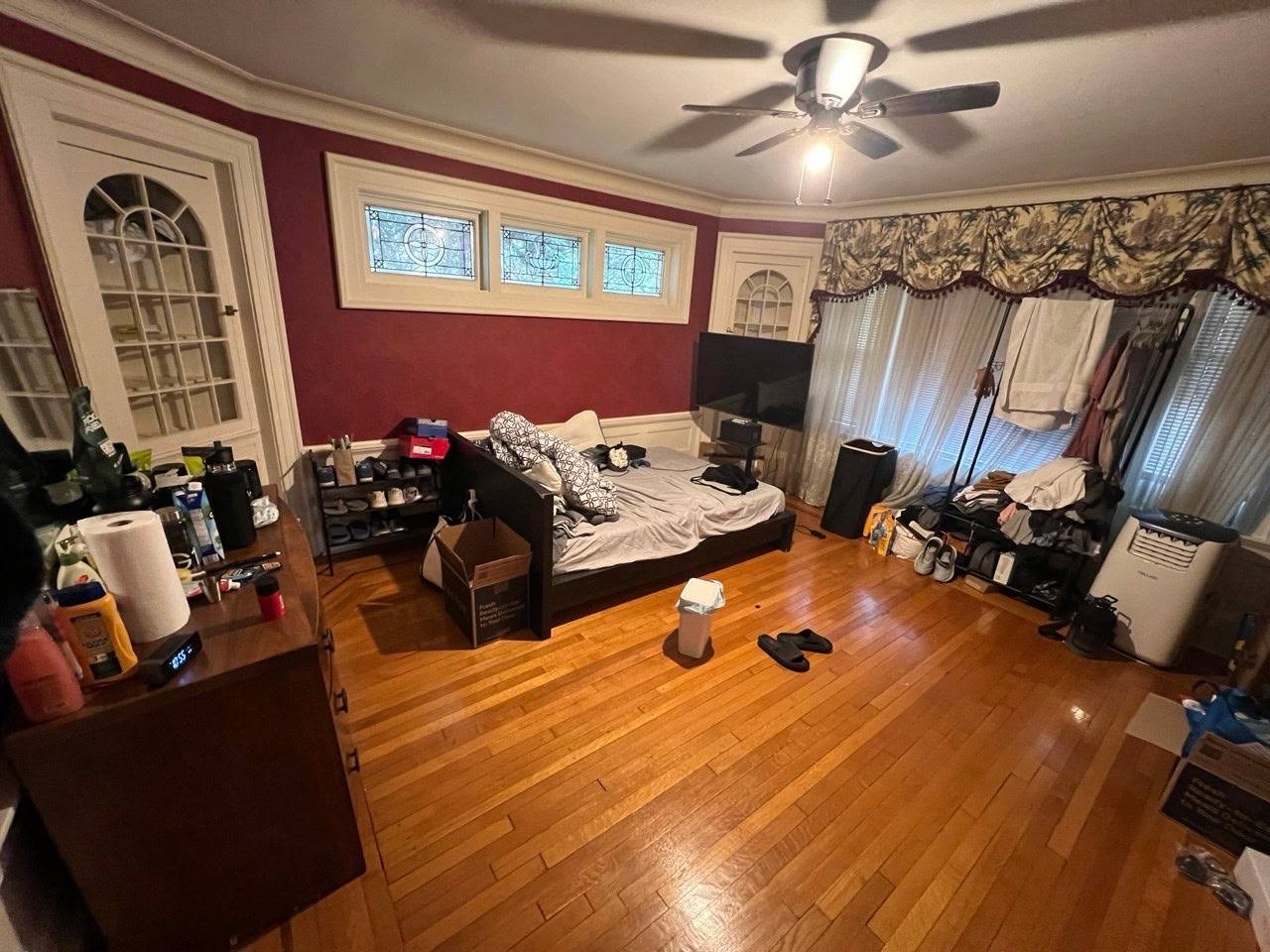
Yes. All reputable virtual addiction treatment programs are required to use HIPAA-compliant platforms and to adhere to the same strict confidentiality standards that apply to in-person treatment. Your personal information, treatment records, and session content are protected by federal privacy law. That said, it is important to participate in virtual sessions from a private location where you cannot be overheard, and to use a secure, password-protected internet connection. Participating from a personal sober living room or a private area of a sober living home is generally ideal. It is also worth reviewing the specific privacy policies of the platform used by your treatment provider before beginning programming.
Can I receive medication-assisted treatment (MAT) through a virtual program?
Yes, in many cases. The regulatory changes introduced during the COVID-19 pandemic significantly expanded the ability of licensed providers to prescribe medications used in MAT — such as buprenorphine (Suboxone) — via telehealth, without requiring an initial in-person visit. These expanded prescribing permissions have remained in place and have made virtual MAT a widely available and important option for individuals seeking treatment for opioid or alcohol use disorder. The specific medications available and the prescribing process will vary by provider, so it is important to confirm MAT availability with our referral partner during the intake and assessment process.
What if I have a crisis or mental health emergency while in virtual treatment?
Virtual addiction treatment programs have crisis protocols in place specifically to address situations where a participant is experiencing a mental health emergency, a relapse, or an acute safety concern. If you are experiencing a crisis during a virtual session, your treatment provider will follow established safety protocols — which may include contacting emergency services, coordinating with a local crisis team, or facilitating a higher level of care. Outside of scheduled sessions, most virtual programs provide participants with crisis resources and emergency contact information to use if needed. If you are currently experiencing a mental health emergency, please call 988 — the Suicide and Crisis Lifeline — or go to your nearest emergency room immediately.