Medical Detox in New Jersey: Find Safe, Supported Treatment
If you or someone you love is struggling with addiction and ready to take the first step toward recovery, finding the right medical detox program in New Jersey is critical. At DB House Sober Living, we understand that the path to lasting sobriety often begins with safe, medically supervised detoxification. While our sober living homes provide structured, supportive environments for individuals in recovery, we also recognize that some guests first need professional addiction treatment services before transitioning to sober living.
That’s why we partner with a trusted addiction treatment referral partner that specializes in medically supervised detox and comprehensive substance use recovery programs. If you or a loved one needs detox before entering a sober living environment, we can connect you with the right care — quickly and compassionately.
What Is Medical Detoxification?
Medical detoxification, commonly referred to as medical detox, is the process of safely removing toxic substances — such as alcohol, opioids, or benzodiazepines — from the body under the direct supervision of licensed medical professionals. It is typically the first and most critical phase of addiction treatment.
During medical detox, doctors, nurses, and clinical staff monitor patients around the clock to manage withdrawal symptoms, prevent complications, and keep individuals as safe and comfortable as possible. Depending on the substance involved and the severity of the addiction, detox can last anywhere from a few days to two weeks.
Medical detox is not a standalone cure for addiction — it is the essential foundation upon which a lasting recovery is built. Once detox is complete, individuals are better equipped, physically and mentally, to engage in the therapeutic work of addiction treatment and sober living.
What Substances Require Medical Detox?
Not all substances carry the same withdrawal risks, but several can cause dangerous — even life-threatening — symptoms if not managed in a clinical setting. Attempting to detox from the following substances without medical supervision is strongly discouraged:
Alcohol is one of the most physically dangerous substances to withdraw from. Alcohol withdrawal can trigger seizures, delirium tremens (DTs), hallucinations, and cardiovascular complications that require immediate medical intervention.
Benzodiazepines, such as Xanax, Valium, Klonopin, and Ativan, affect the same neurological pathways as alcohol. Withdrawal from benzos can be equally severe and is considered medically high-risk without clinical oversight.
Opioids, including heroin, fentanyl, oxycodone, and hydrocodone, cause intense withdrawal symptoms such as extreme nausea, muscle pain, insomnia, anxiety, and powerful cravings. Medication-assisted treatment (MAT) with medications like Suboxone or methadone is often administered during opioid detox to ease discomfort and reduce relapse risk.
Prescription stimulants, such as Adderall and Ritalin, and illicit stimulants like cocaine and methamphetamine, may not carry the same physical danger as depressants, but withdrawal can produce severe psychological symptoms including deep depression, suicidal ideation, and paranoia that require clinical support.
Prescription sedatives and sleep aids, such as Ambien and other hypnotics, share similarities with benzodiazepines and can carry comparable withdrawal risks when used heavily over time.
If you are unsure whether you or a loved one needs medical detox, reaching out to our team at DB House Sober Living is a good place to start. We can help assess the situation and facilitate a connection with our addiction treatment referral partner in New Jersey.
What Is the Medical Detox Process Like?
Understanding what to expect during detox can ease anxiety and make it easier to take that first step. While every individual’s experience is unique, medically supervised detox in New Jersey typically follows a structured process:
Assessment and Intake: Upon arrival, clinical staff conduct a thorough physical and psychological evaluation to determine the appropriate level of care, identify co-occurring mental health conditions, and create a personalized detox plan.
Stabilization: This is the active phase of detox, during which the body processes and clears substances. Medical staff monitor vital signs, manage withdrawal symptoms with appropriate medications, and provide 24/7 support. The goal is to keep the patient as safe and comfortable as possible.
Transition Planning: A quality detox program doesn’t just get you through withdrawal — it prepares you for what comes next. Clinical teams work with patients to develop a continuing care plan, which may include residential treatment, intensive outpatient programming (IOP), or a move into a structured sober living home like those offered by DB House Sober Living.
New Jersey has a robust network of licensed detox facilities and addiction treatment centers. Through our referral partnership, we can help connect individuals with programs that are in-network with many major insurance providers, including Medicaid and Medicare.
What Happens After Completing Detox?
Completing medical detox is a tremendous accomplishment, but it is only the beginning of the recovery journey. Detox addresses the body’s physical dependence on a substance, but the psychological, emotional, and behavioral aspects of addiction require ongoing treatment and support.
After detox, individuals are typically recommended to step down into one or more levels of continued care, which may include:
Residential Treatment (Inpatient Rehab): A structured, live-in treatment setting where individuals participate in intensive therapy, counseling, and addiction education for 30, 60, or 90 days.
Partial Hospitalization Program (PHP): A step below inpatient rehab, PHP offers a full schedule of treatment programming during the day while allowing individuals to return home or to a sober living residence in the evenings.
Intensive Outpatient Program (IOP): A flexible treatment option typically requiring 9 to 15 hours of programming per week, ideal for individuals who have completed a higher level of care and need continued therapeutic support.
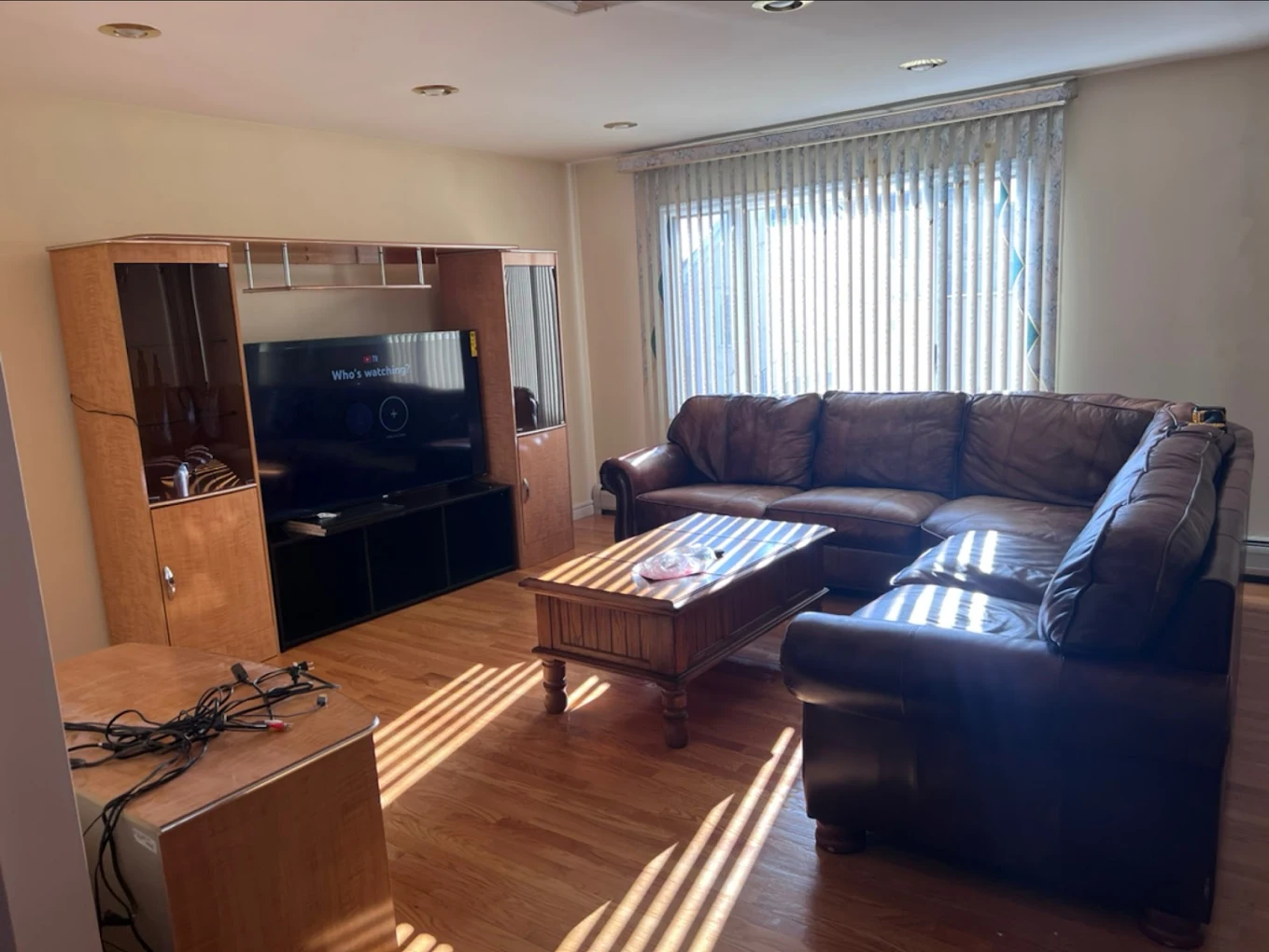
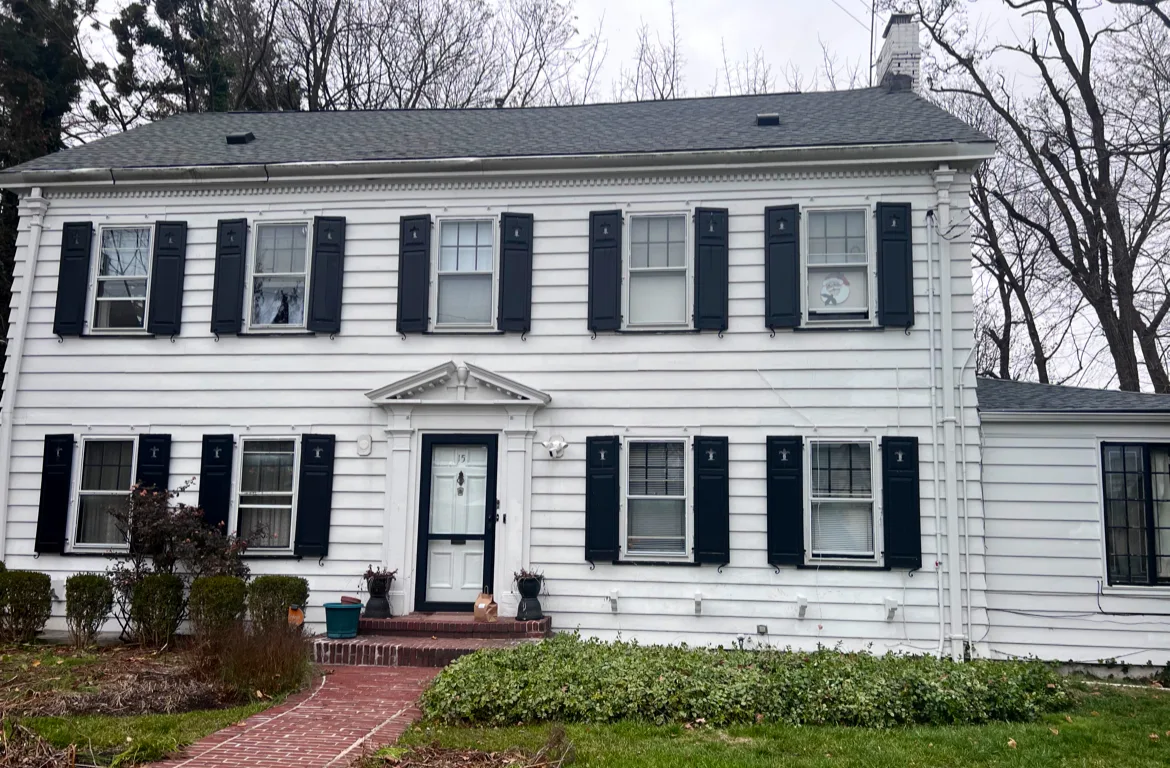
Sober Living: Transitional housing — like the homes offered by DB House Sober Living — provides a safe, substance-free living environment with peer accountability, house rules, and community support while individuals rebuild their lives and continue outpatient treatment.
At DB House Sober Living, we are proud to serve as a natural next step for individuals who have completed detox and addiction treatment and are ready to transition back into independent living with the support of a structured, recovery-focused community in New Jersey.
Frequently Asked Questions About Medical Detox in New Jersey
Is Medical Detox Covered by Insurance in New Jersey?
One of the most common concerns people have when seeking detox is cost. The good news is that under the Affordable Care Act (ACA) and the Mental Health Parity and Addiction Equity Act (MHPAEA), substance use disorder treatment — including medical detox — is considered an essential health benefit and must be covered by most insurance plans. In New Jersey specifically, both private insurance plans and NJ FamilyCare (Medicaid) are required to provide coverage for medically necessary substance use treatment. Coverage levels, co-pays, and deductibles will vary depending on your specific plan.
Our referral partner works with many major insurance carriers and can conduct a free, confidential insurance verification on your behalf before you commit to any program. This ensures there are no surprises and that you can focus on what matters most — getting well.
How long does medical detox take?
The length of medical detox varies depending on the substance involved, the duration and severity of use, and the individual’s overall physical health. Alcohol and benzodiazepine detox typically lasts 5 to 10 days. Opioid detox generally ranges from 5 to 7 days when medications like buprenorphine are used, though longer timelines are sometimes necessary. Stimulant detox may be shorter in terms of physical symptoms but can require additional time for psychological stabilization. In all cases, a clinical team will determine the appropriate length of stay based on your specific needs.
Is medical detox the same as going to rehab?
No — medical detox and rehab are not the same thing, though they are often connected. Medical detox is the first phase of treatment focused on safely managing withdrawal and clearing substances from the body. Rehab, or rehabilitation, refers to the comprehensive therapeutic programming that addresses the psychological and behavioral aspects of addiction. Detox is typically a prerequisite to rehab, not a substitute for it. After completing detox, most individuals are encouraged to continue care through inpatient treatment, outpatient programs, or sober living.
Can you detox from alcohol at home?
Detoxing from alcohol at home is strongly discouraged and can be life-threatening. Alcohol withdrawal is one of the few substance withdrawals that can directly cause death through seizures, severe dehydration, or delirium tremens. Even individuals who have detoxed before are not immune to these risks — in fact, repeated withdrawals can make each subsequent one more severe, a phenomenon known as “kindling.” Medical detox provides 24/7 clinical monitoring, medication management, and emergency support that cannot be replicated at home.
What medications are used during medical detox?
The medications used during detox depend on the substance being treated. For alcohol and benzodiazepine withdrawal, benzodiazepines like lorazepam or diazepam are commonly used to prevent seizures and reduce symptoms. For opioid withdrawal, medications such as buprenorphine (Suboxone), methadone, or naltrexone may be used as part of a medication-assisted treatment (MAT) approach. Clonidine is sometimes used to manage cardiovascular symptoms across multiple withdrawal types. Anti-nausea medications, sleep aids, and other supportive medications may also be prescribed. All medication decisions are made by licensed medical staff based on the individual patient’s needs.
Will I feel sick during detox?
It is common to experience some degree of discomfort during detox, as the body adjusts to functioning without the substance it has become dependent on. Symptoms can range from mild — such as headaches, light nausea, irritability, and insomnia — to more severe, depending on the substance and the severity of use. The purpose of medical detox is to minimize these symptoms as much as possible through medication, hydration, nutritional support, and continuous clinical monitoring. Most people find that the discomfort experienced during supervised medical detox is significantly more manageable than what they would face attempting to withdraw on their own.
Take the First Step: Get Referred to Medical Detox in New Jersey Today
You don’t have to figure this out alone. If you or a loved one is ready to begin the journey to recovery but first needs medical detox, DB House Sober Living is here to help guide you to the right resources. We work closely with a trusted addiction treatment referral partner to help connect individuals in New Jersey with safe, compassionate, and evidence-based detox services.
Whether you’re looking for yourself or a family member, we’ll help you understand your options, verify your insurance, and take the next step with confidence.
Contact DB House Sober Living today to learn how we can connect you with medical detox and addiction treatment services in New Jersey — and help you plan for a successful transition into sober living when you’re ready.