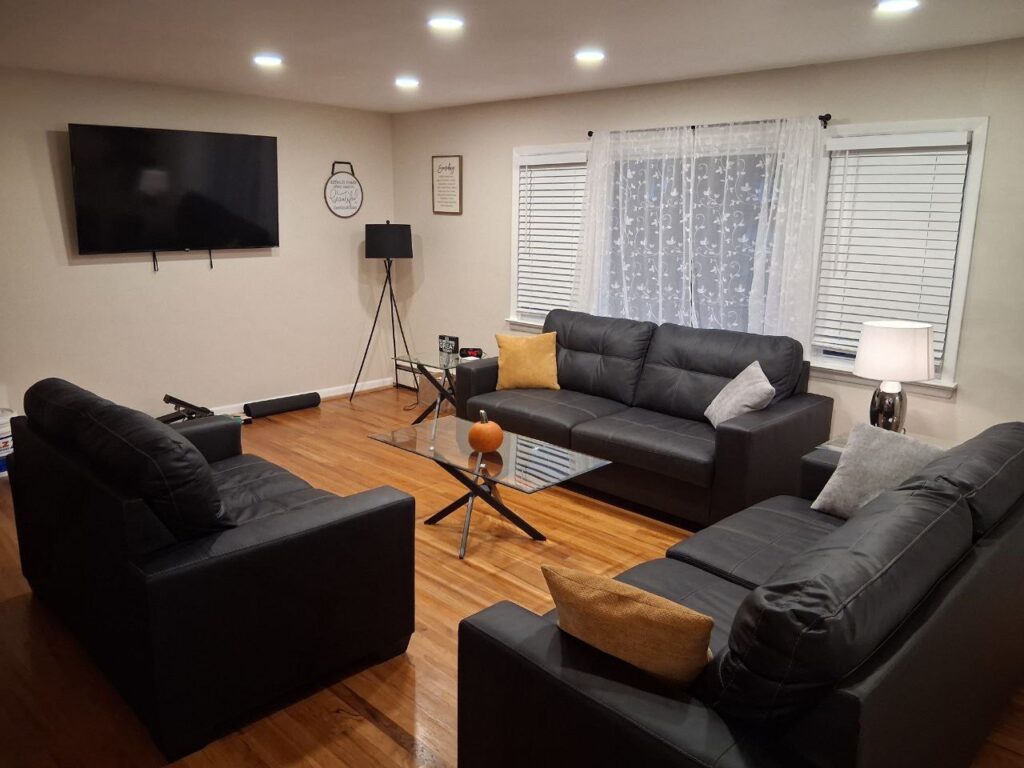
Sober Living & Transitional Housing in New Jersey
Transitioning from addiction treatment to independent living can be one of the most challenging phases of recovery. DB House Sober Living provides a structured, supportive environment in New Jersey where individuals can strengthen their sobriety, develop life skills, and build the foundation for lasting recovery. Our sober living homes offer more than just a place to stay—they provide a community of peers, accountability structures, and connections to resources that support every aspect of the recovery journey.
What is Sober Living?
Sober living, also known as transitional housing or recovery housing, is a residential environment designed to support individuals in early recovery from substance use disorders. Unlike treatment facilities that provide clinical care, sober living homes offer a substance-free living space with structure, peer support, and accountability measures that help residents transition back to independent living. At DB House Sober Living, we provide a home-like atmosphere where residents can practice the coping skills and recovery principles they’ve learned in treatment while navigating real-world responsibilities. Our environment bridges the gap between the intensive support of inpatient or residential treatment and the complete independence of living on your own. Key features of sober living include:
- A completely drug and alcohol-free environment
- Structured house rules and expectations
- Regular drug and alcohol testing
- Peer support from fellow residents in recovery
- Connection to recovery meetings and community resources
- Accountability through house meetings and check-ins
- Gradual reintegration into work, school, or other commitments
Sober living isn’t treatment—it’s a supportive living situation that allows you to apply what you’ve learned while surrounded by others who understand the challenges of recovery.
Who Benefits from Sober Living & Transitional Housing?
Sober living homes serve individuals at various stages of their recovery journey. At DB House Sober Living, we welcome residents who are committed to maintaining their sobriety and ready to take the next step toward independence.
Our sober living environment is ideal for:
Individuals completing inpatient or residential treatment who need continued support and structure as they transition back to daily life. The sudden shift from 24/7 clinical care to complete independence can be overwhelming—sober living provides a middle ground.
People in outpatient treatment programs who need a stable, substance-free living environment while they continue therapy and counseling. Living in an environment that supports your recovery goals makes it easier to succeed in treatment.
Individuals whose home environment isn’t conducive to recovery due to substance use by family members, toxic relationships, or other triggers. Sometimes distance from old environments is necessary for successful recovery.
Young adults establishing independence while maintaining accountability and support during early recovery. Our community provides guidance while allowing age-appropriate freedom.
Anyone seeking a strong peer support network and structured living situation to strengthen their recovery foundation. Even those with stable housing sometimes choose sober living for the community and accountability it provides. Regardless of where you are in your recovery journey, if you’re committed to sobriety and willing to follow house guidelines, DB House Sober Living can provide the support you need.
Structured Sober Living Environment for Long-term Recovery
Structure and accountability are essential ingredients for successful recovery. At DB House Sober Living, we’ve designed our program to provide clear expectations, consistent routines, and supportive accountability measures that help residents build healthy habits.
Our structured environment includes:
- House Rules and Community Standards – Clear guidelines ensure everyone’s safety and support each resident’s recovery. Rules cover substance use, guest policies, curfews, participation in house meetings, and respectful conduct toward fellow residents.
- Regular Drug and Alcohol Testing – Random and scheduled testing maintains the integrity of our sober environment and provides accountability. This isn’t about punishment—it’s about maintaining a safe, substance-free space for everyone.
- Mandatory Recovery Meeting Attendance – Residents are required to attend a minimum number of 12-Step or other recovery meetings each week. We help connect residents with local AA, NA, and other support groups.
- House Meetings – Weekly house meetings provide opportunities for residents to discuss concerns, celebrate successes, share experiences, and build community. These meetings reinforce peer accountability and mutual support.
- Chores and Shared Responsibilities – Residents participate in maintaining the home through assigned chores and shared responsibilities. This builds life skills, promotes cooperation, and creates a sense of ownership in the community.
- Curfews and Check-ins – Reasonable curfews and check-in requirements help residents establish healthy routines while providing appropriate freedom. As residents progress, they may earn increased privileges.
- Employment or Education Requirements – Residents are expected to actively pursue employment, education, or volunteer work. Productivity and purpose are important elements of sustainable recovery.
- Financial Responsibility – Residents pay their rent on time and manage their own finances, building real-world skills essential for independent living.This structure isn’t restrictive—it’s liberating. When you know what’s expected and have support in meeting those expectations, you can focus your energy on personal growth and recovery rather than making constant decisions about boundaries and behaviors.
Success in Sober Living
Success in sober living looks different for everyone, but certain factors consistently contribute to positive outcomes. At DB House Sober Living, we support residents in developing the attitudes, behaviors, and connections that lead to lasting recovery.
What successful residents do:
- Engage fully with the community – Residents who actively participate in house meetings, support their peers, and contribute to the community atmosphere tend to have better outcomes. Recovery isn’t a solo journey.
- Take personal responsibility – Successful residents own their recovery. They attend meetings, follow through on commitments, complete their chores, and take accountability for their choices.
- Maintain connections with treatment providers – Those who continue therapy, counseling, or outpatient programs while in sober living build stronger recovery foundations. DB House supports these connections.
- Build a support network beyond the house – Establishing relationships with sponsors, recovery mentors, and sober friends in the broader community creates a safety net that extends beyond your time at DB House.
- Set and pursue goals – Whether it’s finding employment, returning to school, repairing family relationships, or developing new hobbies, having goals provides direction and purpose.
- Practice honesty and transparency – Recovery requires rigorous honesty. Successful residents are open about their struggles, ask for help when needed, and communicate clearly with house managers and peers.
- Embrace the process – Recovery isn’t linear. Successful residents understand that growth takes time and that setbacks are learning opportunities, not failures.
Indicators of progress you might experience:
- Increased confidence in managing daily responsibilities
- Improved relationships with family and friends
- Greater emotional stability and self-awareness
- Development of healthy coping mechanisms
- Progress toward personal and professional goals
- A sense of belonging and connection to the recovery community
- Hope and optimism about your future
At DB House, we celebrate these victories—both big and small. Every day of sobriety is a success worth acknowledging.
What to Expect in Our New Jersey Sober Living Houses
DB House Sober Living provides comfortable, safe, and welcoming homes throughout New Jersey where residents can focus on their recovery in a supportive environment.
Our Living Environment:
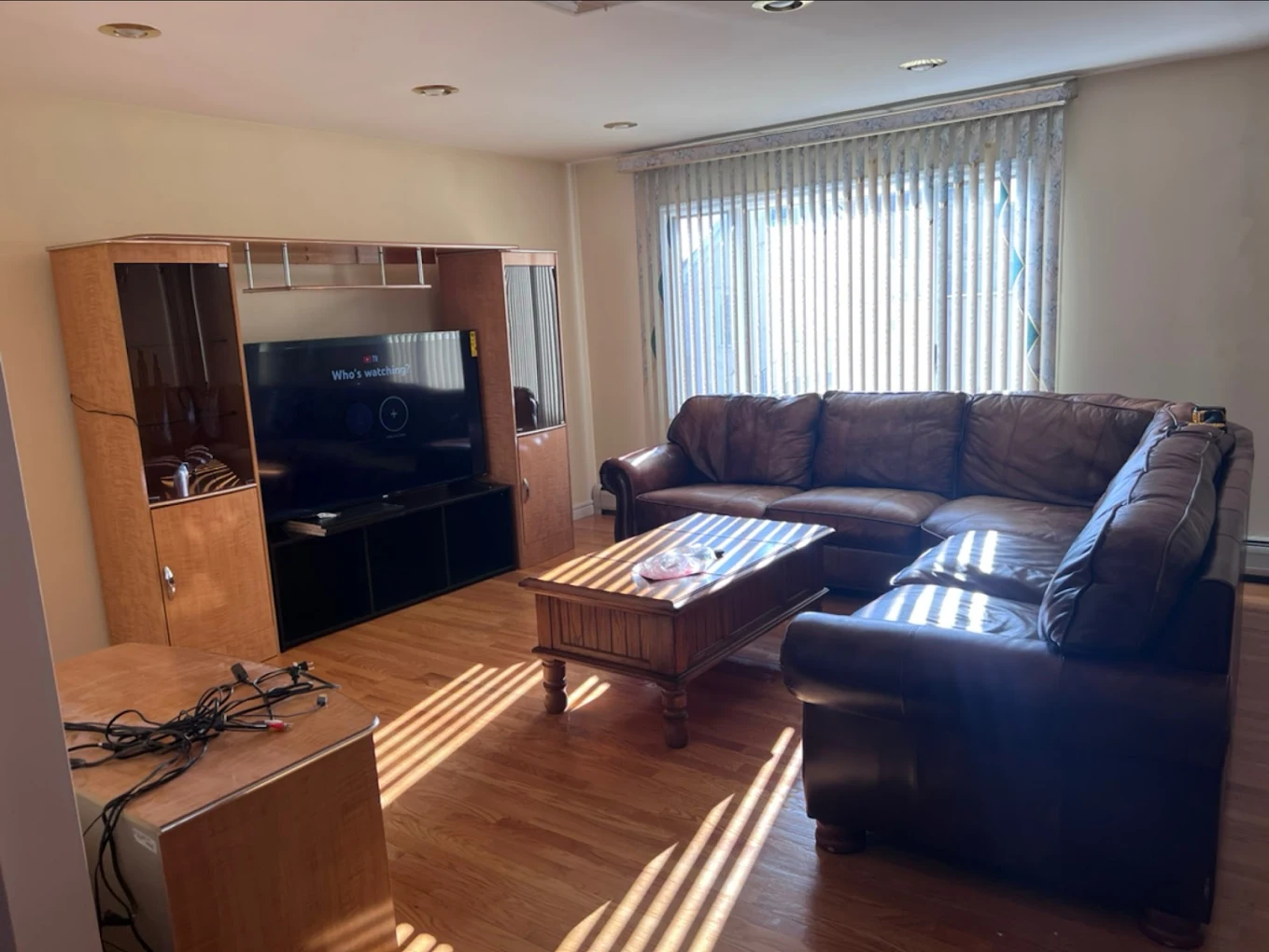
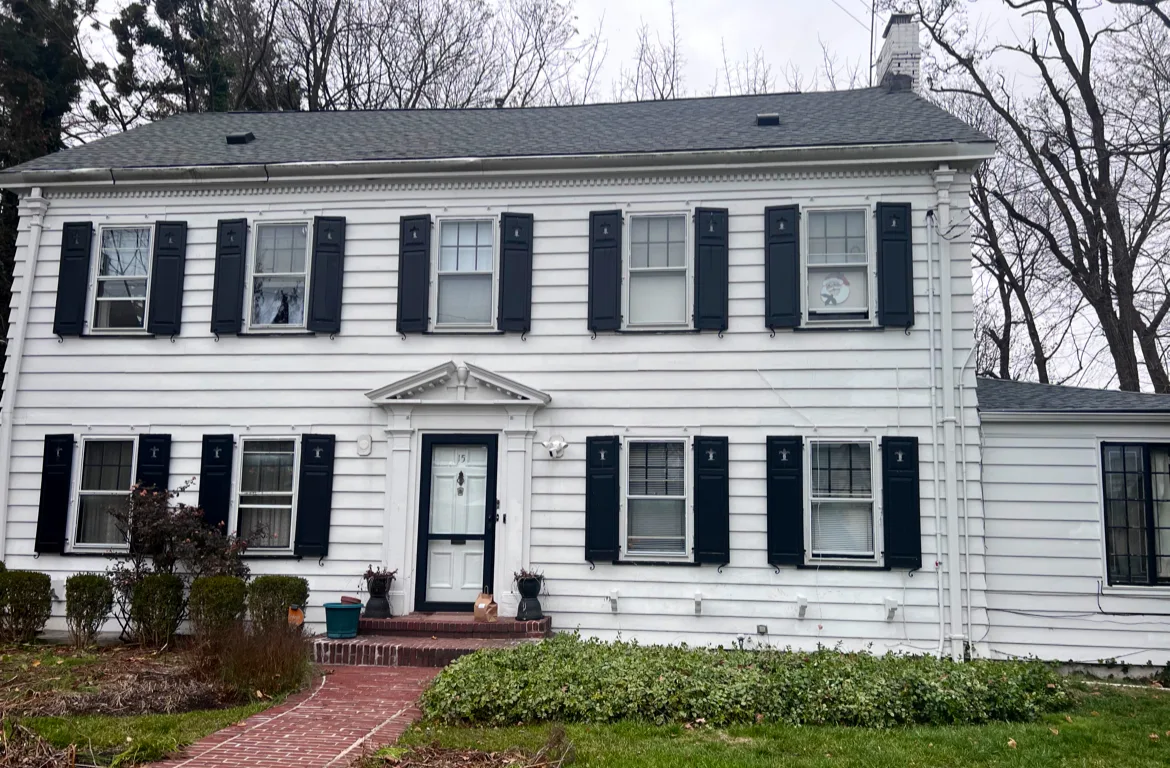
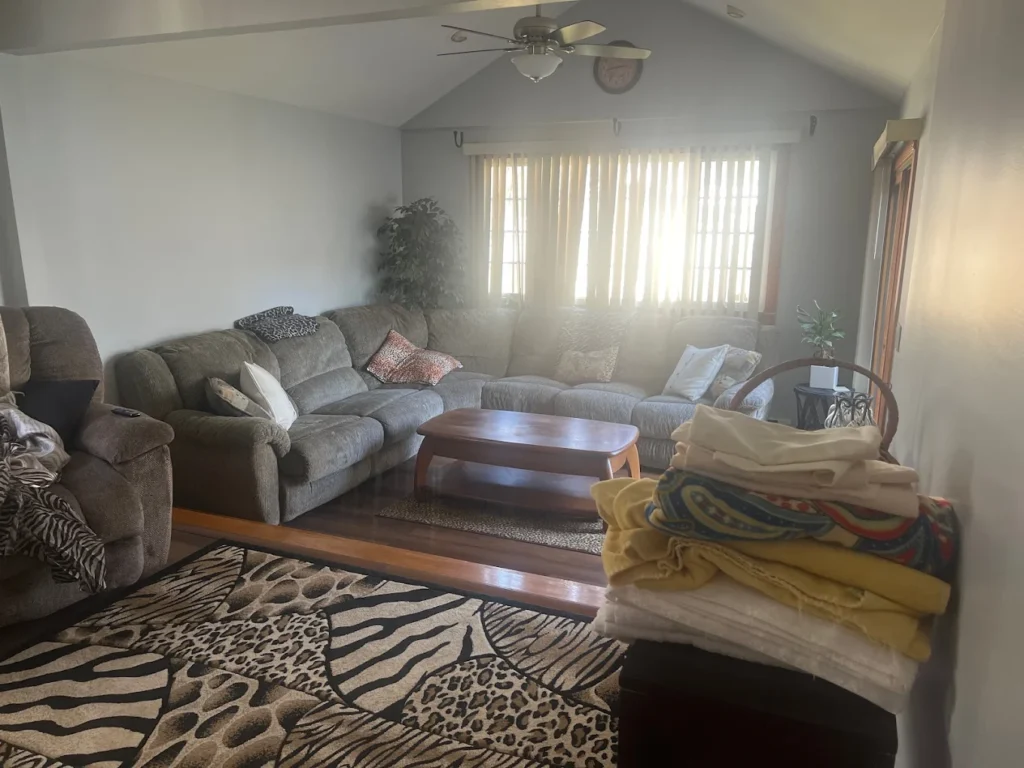
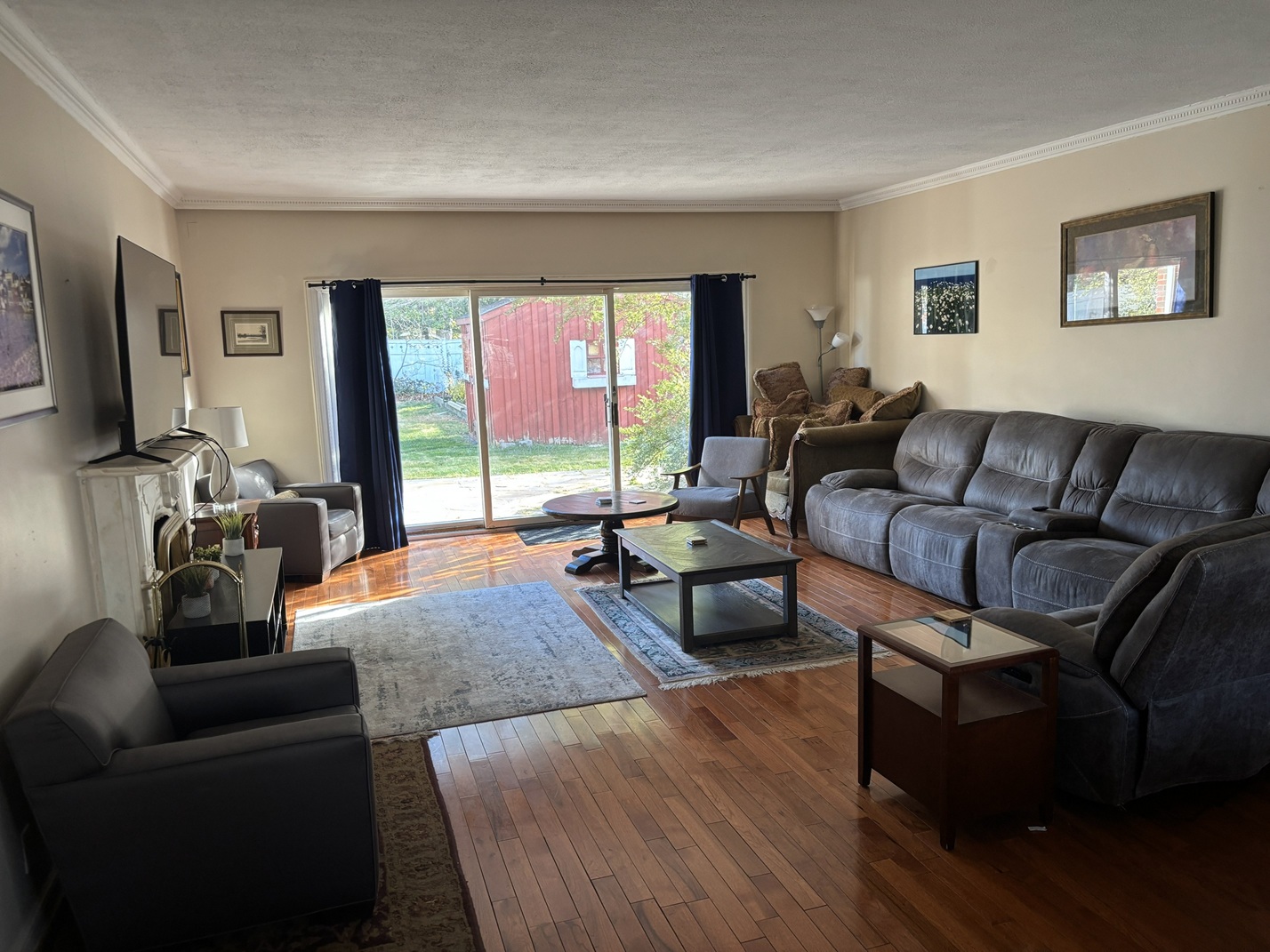
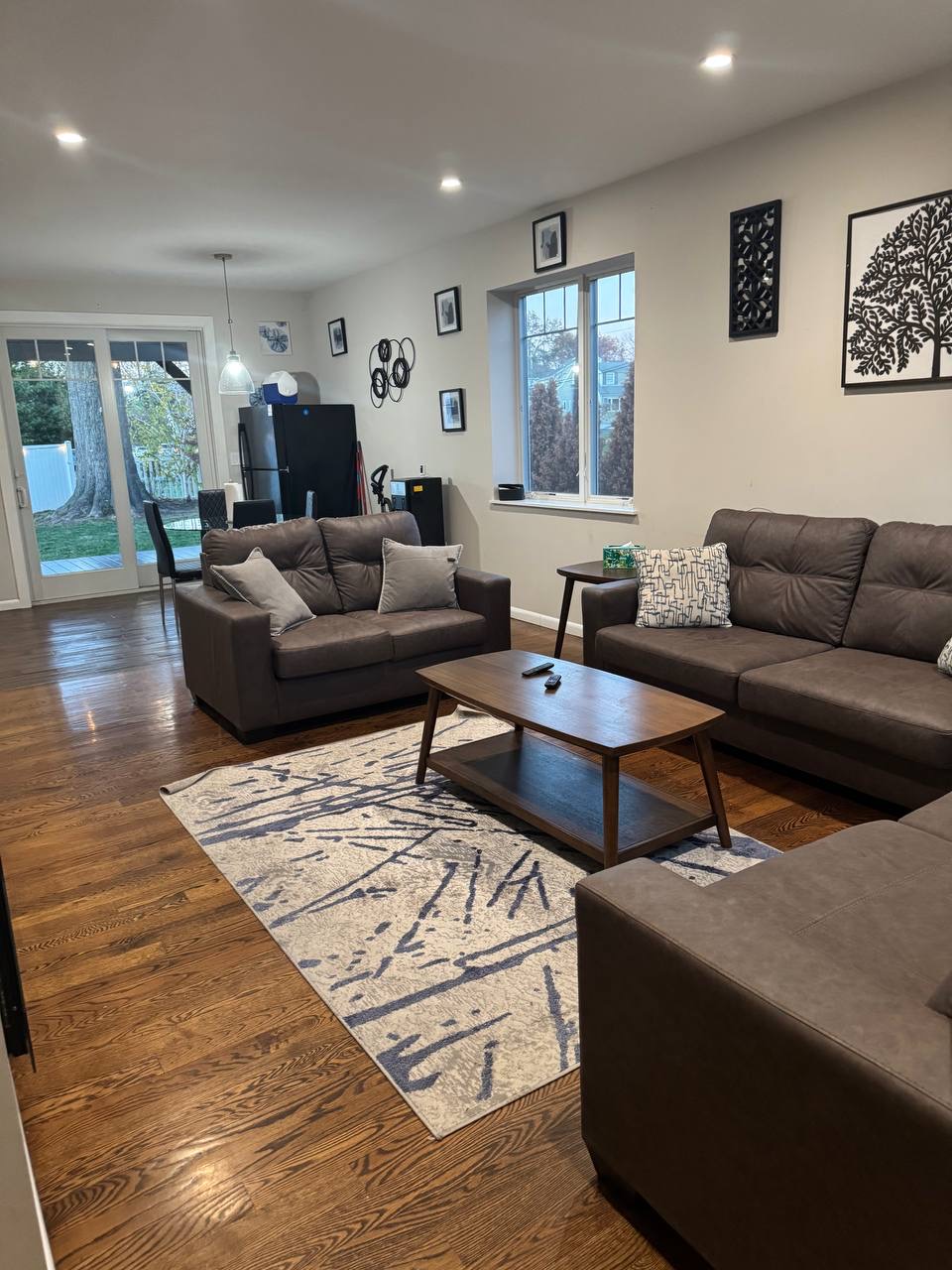
- Safe and Comfortable Accommodations – Our homes are located in residential neighborhoods that provide a peaceful setting conducive to recovery. We maintain clean, well-maintained properties that residents can be proud to call home.
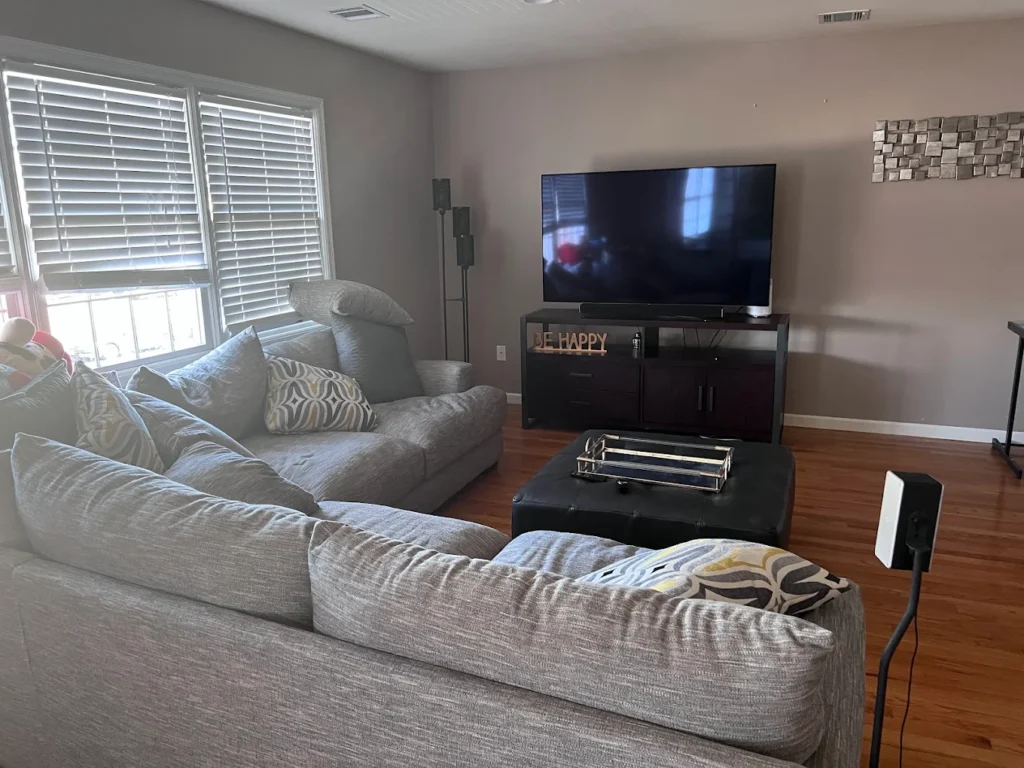
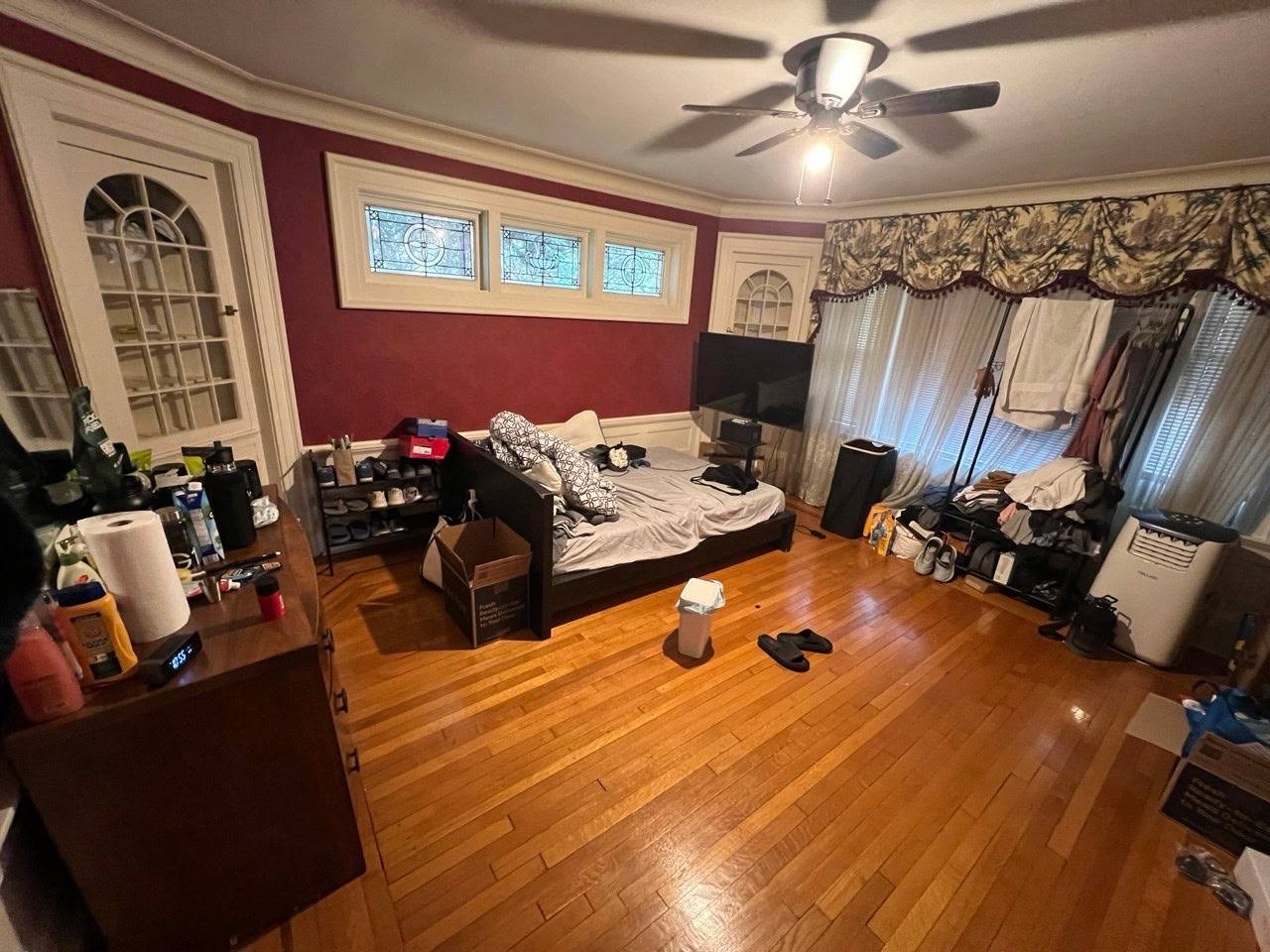
- Shared and Private Spaces – Depending on availability, residents may have private rooms or share rooms with one other person. All homes include common areas for socializing, dining areas for shared meals, and outdoor spaces for relaxation.
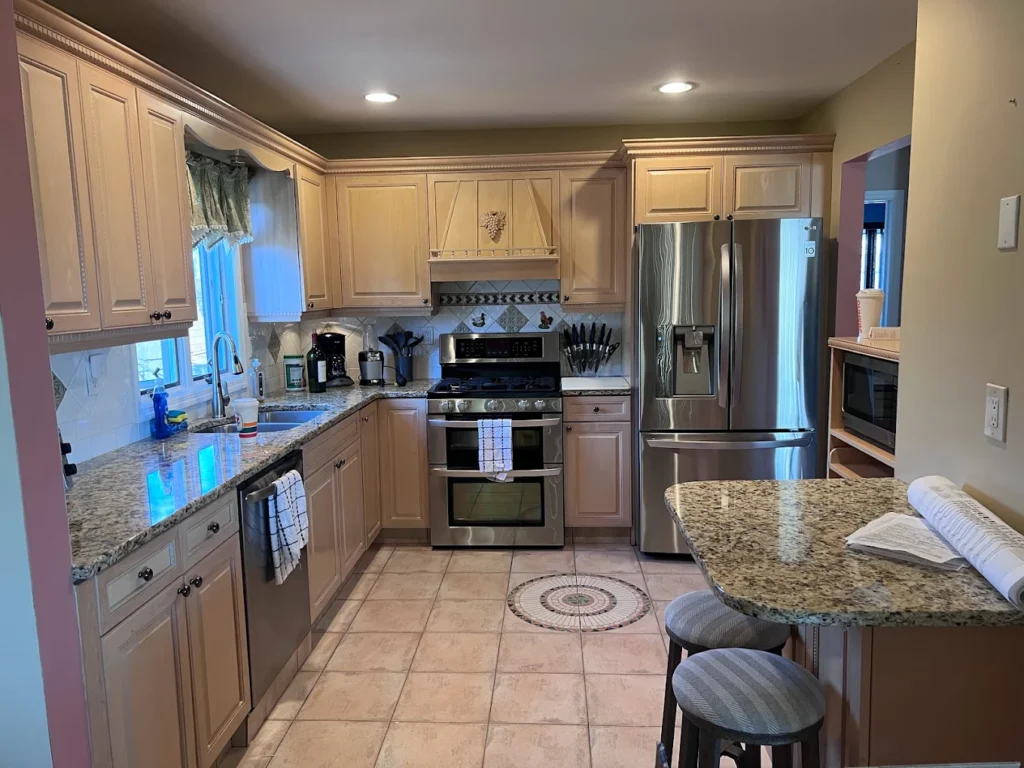
- Essential Amenities – Our homes include fully equipped kitchens, laundry facilities, WiFi internet access, and all basic utilities. We provide a home-like atmosphere where residents can feel comfortable and settled.
- Convenient Locations – Our New Jersey locations offer access to public transportation, local recovery meetings, employment opportunities, and treatment providers. We select neighborhoods that support healthy, sober living.
- A Community Atmosphere – More than just housing, DB House provides a family-like environment where residents support each other, share meals, celebrate milestones, and build lasting friendships.
What a typical week includes:
- Regular house meetings to discuss concerns and celebrate progress
- Required attendance at recovery meetings (AA, NA, or other approved programs)
- Individual time for work, school, or outpatient treatment
- Completion of assigned household chores and responsibilities
- Random drug and alcohol testing to maintain a sober environment
- Optional organized activities and community outings
- Quiet hours that respect everyone’s need for rest and reflection
House Manager Support: Our experienced house managers are available to provide guidance, answer questions, connect residents with resources, and address any concerns. While they’re not clinical staff, they understand recovery and are committed to maintaining an environment that supports everyone’s sobriety.
Seamless Coordination With Local Recovery & Treatment Services
While DB House Sober Living doesn’t provide clinical treatment directly, we’ve established strong partnerships with quality treatment providers throughout New Jersey. This collaborative approach ensures residents have access to comprehensive care that addresses all aspects of their recovery.
Outpatient Treatment Programs
Continuing treatment after residential care is crucial for sustained recovery. We support residents in accessing and maintaining connections with:
Intensive Outpatient Programs (IOP) – For residents who need structured treatment several days per week while living in our sober environment. IOP typically includes group therapy, individual counseling, and education sessions.
Partial Hospitalization Programs (PHP) – For those requiring more intensive support than standard outpatient care but not needing 24/7 supervision. Our structured living environment complements PHP treatment.
Standard Outpatient Counseling – Weekly or bi-weekly therapy sessions that address ongoing recovery needs, coping skills development, and personal growth.
Medication-Assisted Treatment (MAT) – We support residents who are prescribed medications like Suboxone, Vivitrol, or other FDA-approved medications for substance use disorders. We coordinate with prescribers to ensure medication compliance and safe storage.
Group Therapy Programs – Connection to specialized group therapy focusing on trauma, co-occurring disorders, life skills, or other relevant topics. Our house managers work with residents and their treatment teams to ensure:
- Residents make it to scheduled appointments
- Treatment expectations align with house expectations
- Progress in treatment is supported by our structured environment
- Communication flows appropriately between treatment providers and sober living staff
- Transportation needs are addressed when possible
Mental Health Treatment & Counseling Programs
Many individuals in recovery face co-occurring mental health challenges. We recognize that treating substance use without addressing underlying mental health conditions sets people up for struggle. Through our network of mental health professionals, we help residents access:
Individual Therapy – One-on-one counseling with licensed therapists who specialize in addiction recovery, trauma, anxiety, depression, and other mental health concerns.
Psychiatric Services – Connection to psychiatrists who can evaluate medication needs, prescribe appropriate medications, and monitor mental health treatment.
Trauma-Focused Treatment – Many people in recovery have experienced trauma. We connect residents with therapists trained in EMDR, trauma-focused CBT, and other evidence-based trauma treatments.
Dual Diagnosis Programs – Specialized treatment that addresses both substance use and mental health disorders simultaneously.
Crisis Support – Access to crisis resources and emergency mental health services when needed. Our house managers can help residents navigate mental health emergencies.
Holistic Mental Health Approaches – Support in accessing complementary services like mindfulness training, yoga therapy, art therapy, or other approaches that support mental wellness. We understand that mental health and addiction recovery are deeply interconnected. By supporting residents in accessing comprehensive mental health care, we help them build the strong foundation necessary for lasting sobriety.
Frequently Asked Questions
How Do You Get Into a Sober Living House?
Getting into a DB House Sober Living home is a straightforward process designed to ensure our environment is a good fit for your recovery needs.
The admission process typically involves:
-
- Initial Contact – Reach out to us by phone or through our website. We’ll have a preliminary conversation about your situation, recovery goals, and what you’re looking for in a sober living environment.
-
- Pre-Admission Assessment – We’ll discuss your substance use history, treatment background, current sobriety status, and any other relevant factors. This isn’t about judgment—it’s about understanding how we can best support you.
-
- Verification of Sobriety – Most residents come to us directly from treatment programs or with a period of established sobriety. We may require documentation from a treatment provider or initial drug screening.
-
- Review of House Expectations – We’ll clearly explain our house rules, expectations, costs, and what’s required of residents. It’s important that you understand and agree to these guidelines before moving in.
-
- Availability Confirmation – We’ll confirm that we have space available in one of our New Jersey locations and discuss which home might be the best fit.
-
- Move-In Coordination – Once accepted, we’ll schedule your move-in date and provide information about what to bring, payment arrangements, and what to expect on your first day.
Who can apply:
-
- Individuals with a commitment to sobriety and recovery
-
- Those currently sober or completing treatment
-
- People willing to follow house rules and engage with the community
-
- Residents who can meet the financial obligations
We welcome individuals from all backgrounds and recovery paths. What matters most is your commitment to maintaining your sobriety and being a positive member of our community.
How Much Do Sober Living Homes Cost?
DB House Sober Living strives to provide quality, affordable transitional housing that supports your recovery without creating financial hardship.
Typical costs include:
- Monthly Rent – Our rent covers your shared or private room, utilities, WiFi, use of common areas, and all basic amenities. Prices vary depending on the specific home, room type (shared vs. private), and current availability.
- Security Deposit – A refundable security deposit is typically required, which will be returned when you move out if the room is left in good condition and all obligations are met.
What’s included in rent:
- Safe, comfortable housing in a substance-free environment
- All utilities (electric, gas, water, heat, air conditioning)
- WiFi internet access
- Laundry facilities
- Fully equipped kitchen and common areas
- House manager support and oversight
- Drug and alcohol testing
- Connection to community resources
What’s NOT included:
- Personal groceries and toiletries
- Transportation costs
- Treatment or therapy services
- Personal phone plans
- Entertainment and personal expenses
Payment options:
- Most residents pay monthly rent directly
- Some families help support their loved one’s sober living costs
- We can provide documentation for those whose insurance may cover some costs (though this is uncommon)
Financial considerations: We understand that early recovery often comes with financial challenges. Many residents work while living with us, and we support residents in finding employment. We’re happy to discuss payment arrangements during the admission process. For current pricing and availability, please contact us directly. We’ll provide transparent information about all costs so you can make an informed decision.
What Are the Rules of a Sober Living Home?
DB House Sober Living maintains clear rules and expectations to ensure a safe, supportive environment for all residents. Our rules aren’t about control—they’re about creating structure that supports everyone’s recovery.
Core house rules include:
- Zero Tolerance for Substance Use – No drugs or alcohol are permitted on the property or in your system. This includes marijuana, even if medically prescribed (with rare exceptions discussed with management). Random drug and alcohol testing is conducted regularly.
- Respect for Others – Treat all residents, staff, and guests with respect. No violence, threats, bullying, or harassment will be tolerated.
- Curfews – Reasonable curfews ensure residents maintain healthy routines. Specific times vary but typically include weekend and weekday curfews, with possible adjustments for work schedules.
- Recovery Meeting Attendance – Residents must attend a minimum number of recovery meetings per week (typically 3-5 AA, NA, or other approved meetings) and provide verification.
- House Meetings – Attendance at weekly house meetings is mandatory. These meetings are essential for community building and addressing house issues.
- Employment or Productivity – Residents are expected to be employed, in school, volunteering, or actively seeking employment. Productivity and purpose support recovery.
- Household Responsibilities – Everyone participates in maintaining the home through assigned chores, cooking responsibilities, and general cleanliness.
- Guest Policies – Guests may be permitted with advance approval, but overnight guests are typically not allowed. This maintains safety and appropriate boundaries.
- Compliance with Outpatient Treatment – If you’re in outpatient treatment, therapy, or seeing a counselor, you must maintain those commitments.
- Financial Obligations – Rent and any other fees must be paid on time. Financial responsibility is part of preparing for independent living.
- No Romantic Relationships Between Residents – Most sober living homes discourage or prohibit romantic relationships between residents during the first several months to prevent distraction from recovery work.
- Medication Management – All medications must be disclosed to house management. Prescriptions must be taken as directed, and certain controlled substances may require special oversight.
Can I Continue Substance Use Treatment During My Stay?
Absolutely—in fact, we encourage it! One of the primary purposes of DB House Sober Living is to provide stable housing that supports your continued participation in treatment and recovery programs.
Treatment integration at DB House:
Outpatient Programs – Many residents actively participate in Intensive Outpatient Programs (IOP), Partial Hospitalization Programs (PHP), or standard outpatient counseling while living with us. We coordinate schedules to ensure you can meet both treatment and house obligations.
Individual Therapy – Regular therapy sessions with a licensed counselor or therapist are highly encouraged. We’ll work with your schedule to ensure you can attend appointments.
Psychiatric Care – If you’re prescribed medications for mental health conditions or medication-assisted treatment (MAT) for substance use disorders, we support your compliance with prescribed treatment.
Group Therapy – Participation in specialized group therapy programs for trauma, co-occurring disorders, or other issues is supported and encouraged.
Medical Care – Managing your physical health is part of recovery. We support residents in accessing primary care physicians, specialists, and medical treatments.
Benefits of combining sober living with ongoing treatment:
- Continuity of care – Seamless transition from higher levels of care to independent living
- Reinforcement of treatment concepts – Practice therapeutic skills in a real-world setting
- Stable environment – A substance-free living situation supports treatment effectiveness
- Peer support – Other residents may be in similar treatment programs, creating understanding and accountability
- Structured routine – House expectations complement treatment recommendations
How we support your treatment:
- Flexible scheduling when possible to accommodate appointments
- Communication with treatment providers (with your consent)
- Transportation assistance or connection to transportation resources
- Reinforcement of treatment goals through house structure
- Support during challenging times in your treatment journey
We view treatment as an essential component of recovery, not something separate from sober living. The combination of quality clinical care and supportive transitional housing creates the strongest foundation for lasting sobriety.
Can You Come and Go in Sober Living?
Yes, residents at DB House Sober Living have the freedom to come and go for appropriate activities, though this freedom comes with structure and accountability that supports recovery.
Your freedom includes:
- Work and School – You’re expected to maintain employment, attend school, or actively seek work. You can come and go for these responsibilities without restriction during appropriate hours.
- Recovery Meetings – Attending AA, NA, or other recovery meetings is required, and you’re free to go to meetings as needed.
- Treatment Appointments – Outpatient therapy, counseling, medical appointments, and other treatment activities are fully supported.
- Social Activities – Sober social activities, visiting family, running errands, exercising, or other healthy activities are encouraged. We want you to build a fulfilling sober life.
- Reasonable Structure:
- Curfews – While you can leave the house during the day, we maintain curfews that help establish healthy routines. Typical curfews might be 11 PM on weeknights and midnight on weekends, with adjustments for work schedules.
- Communication – We ask that residents communicate their general whereabouts and plans, especially if you won’t be home for dinner or will be out later than usual. This isn’t about control—it’s about safety and accountability.
- Sign-Out Procedures – Some houses use a sign-out system so house managers know where residents are in case of emergency.
- Overnight Absences – If you need to be away overnight (visiting family, etc.), advance notice and approval from house management is typically required.
What this balance provides:
- Progressive Privileges – Some homes offer increased freedom as residents demonstrate responsibility and progress in recovery. You may earn more flexible curfews or privileges over time.
- Structure without restriction – Enough framework to support recovery without feeling imprisoned
- Accountability – Knowing where residents are helps maintain a safe, supportive community
- Safety net – If someone doesn’t return as expected, we can ensure they’re okay
- Practice for independence – Managing freedom responsibly prepares you for independent living
- Healthy boundaries – Learning to balance freedom with responsibility is an important recovery skill
DB House Sober Living recognizes that you’re an adult responsible for your own recovery. Our structure supports your success while respecting your autonomy and personal growth.
Does Insurance Cover Sober Living?
Unfortunately, standard health insurance typically does not cover sober living costs. Insurance companies only cover medically necessary clinical treatment services provided by licensed professionals. Since sober living provides housing and peer support rather than clinical treatment, it doesn’t meet insurance coverage criteria.
Alternative funding options:
- Rare insurance exceptions – Some policies may provide limited assistance if sober living is written into your treatment plan as part of your continuum of care.
- Scholarships and grants – Some organizations offer financial assistance for sober living expenses.
- State or county programs – Depending on your situation, some government programs may provide housing assistance.
- Family support – Many residents receive financial help from family members investing in their loved one’s recovery.
- Personal payment – Most residents pay directly using employment income, savings, or personal resources.
- Documentation options: While insurance won’t typically pay directly, we can provide documentation of your stay and expenses. Some residents have successfully used FSA or HSA accounts or included costs as medical expense tax deductions.
Some residents have successfully:
- Used FSA or HSA accounts to pay for sober living
- Included sober living costs as part of medical expense tax deductions
- Obtained letters of medical necessity from treatment providers
Making sober living affordable: We understand the financial concerns during early recovery. That’s why:
- Our rates are competitive and transparent
- We support residents in finding employment
- We can discuss payment plans if you’re facing temporary financial challenges
- We provide all-inclusive pricing so there aren’t surprise costs
The investment perspective: While sober living represents an out-of-pocket cost for most people, consider it an investment in your future. The alternative—relapse and its consequences—can be far more costly in every way. Many residents find that the structure, support, and safety of sober living is invaluable during this critical transition period. For specific questions about your insurance coverage or payment options, please contact our admissions team.